Uganda’s architectural landscape is undergoing a transformative shift, driven by urbanization, technological advancements, and a growing emphasis on sustainability. Architects and developers are exploring innovative design approaches to create structures that are not only functional but also environmentally conscious and visually appealing. The year 2024 marks a significant period of growth and creativity, with a clear focus on balancing modernity with cultural authenticity.(Architectural Design Trends)
From smart buildings to green architecture, these trends reflect the changing needs of Uganda’s population and the desire for spaces that enhance quality of life. This article explores the top architectural design trends shaping Uganda in 2024 and highlights how these trends are redefining the built environment across the country.
Sustainable and Green Architecture
Sustainability remains at the forefront of architectural design trends in Uganda. In 2024, there is an increased focus on eco-friendly construction practices, energy-efficient designs, and the integration of green technologies. Architects are adopting materials such as recycled bricks, bamboo, and compressed earth blocks to reduce environmental impact.
Solar panels, rainwater harvesting systems, and natural ventilation are becoming standard features in residential and commercial projects. Additionally, green roofs and vertical gardens are being incorporated to improve air quality and enhance urban biodiversity. This trend aligns with global environmental goals and supports Uganda’s commitment to sustainable urban development.
Smart and Technology-Driven Buildings
Smart technology is revolutionizing architectural design in Uganda, with more buildings integrating automated systems for lighting, security, and energy management. In 2024, smart homes and commercial spaces equipped with Internet of Things (IoT) technology are becoming increasingly popular.
These systems allow occupants to control lighting, heating, and appliances through mobile devices, improving energy efficiency and convenience. Innovations such as motion sensors, automated irrigation for green spaces, and AI-powered climate control systems are also becoming standard in high-end projects.
This trend reflects a shift towards futuristic architecture where technology enhances not only functionality but also sustainability.
Affordable Housing Solutions
The demand for affordable housing continues to grow in Uganda, and 2024 sees a focus on cost-effective design without compromising quality. Architects are using innovative building techniques like prefabrication and modular construction to reduce costs and construction timelines.
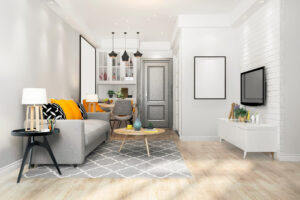
Smaller, functional homes with open floor plans, multi-purpose spaces, and minimalistic designs are becoming more common. Additionally, developers are prioritizing locally sourced materials to further lower costs and promote community involvement.
This trend addresses Uganda’s housing deficit and offers practical solutions for middle- and low-income families seeking quality homes.
Biophilic Design and Nature Integration
Biophilic design—a concept that integrates natural elements into architectural spaces—has gained momentum in Uganda. In 2024, architects are prioritizing designs that foster a connection with nature, incorporating features such as green walls, large windows, natural lighting, and open-air courtyards.
This design approach not only enhances aesthetic appeal but also improves mental well-being, productivity, and indoor air quality. Biophilic architecture is particularly prominent in office spaces, hospitality projects, and luxury homes.
Uganda’s lush natural environment provides the perfect backdrop for this trend, allowing architects to blur the boundaries between indoor and outdoor spaces.
Minimalist and Functional Spaces
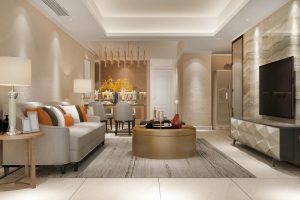
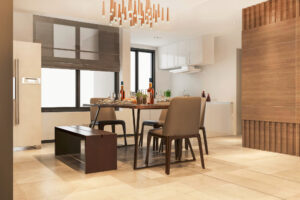
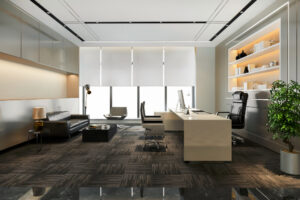
The minimalist design philosophy continues to dominate architectural trends in Uganda. Characterized by simplicity, clean lines, and functional layouts, minimalist architecture prioritizes practicality over excessive ornamentation.
In 2024, architects are focusing on creating clutter-free spaces with neutral color palettes, sustainable materials, and versatile furniture. This approach is particularly popular in urban apartments and compact residential spaces where efficient use of space is critical.
Minimalism not only reduces construction costs but also creates serene and elegant living environments, appealing to a growing segment of urban homeowners.
Adaptive Reuse of Buildings
Adaptive reuse, the practice of repurposing old buildings for new uses, is gaining traction in Uganda’s urban areas. In 2024, developers are transforming abandoned warehouses, colonial-era buildings, and industrial spaces into modern offices, hotels, and residential complexes.
This trend not only preserves architectural heritage but also reduces construction waste and resource consumption. Adaptive reuse projects often incorporate contemporary design elements while retaining the original charm of the structures.
It’s an environmentally friendly approach that breathes new life into historical buildings, contributing to both cultural preservation and urban renewal.
Mixed-Use Developments
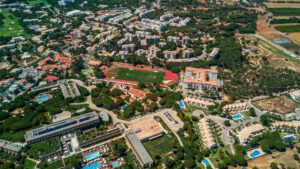
The rise of mixed-use developments is redefining urban living and working spaces in Uganda. These projects combine residential, commercial, and recreational facilities within a single development, offering convenience and fostering community interaction.
In 2024, mixed-use buildings are designed with shared green spaces, retail hubs, and co-working areas, making them highly attractive to urban dwellers. These developments reduce the need for long commutes and contribute to sustainable urban growth.
Architects are focusing on creating self-sufficient spaces where people can live, work, and relax without leaving their immediate surroundings.
Innovative Roofing Designs
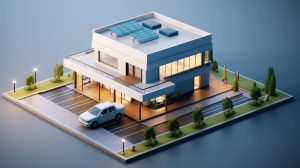
Roofing designs are becoming more creative and functional in Uganda’s architectural landscape. In 2024, architects are experimenting with flat roofs, green roofs, and solar panel-integrated designs to add both utility and visual appeal to structures.
Green roofs, in particular, are being used to improve thermal insulation, reduce stormwater runoff, and promote urban biodiversity. Flat roofs often serve as recreational spaces or outdoor lounges, maximizing the usability of every inch of the building.
This innovative approach to roofing is transforming how buildings interact with their environments and enhancing overall energy efficiency.
Cultural and Contextual Design Elements
Architectural projects in Uganda are increasingly embracing cultural influences and local traditions. In 2024, architects are blending modern design principles with indigenous architectural styles to create unique and culturally relevant structures.
Features such as traditional thatched roofs, wooden carvings, and clay brick facades are being integrated into contemporary designs. This approach not only preserves cultural identity but also creates spaces that resonate with the local community.
Contextual design ensures that architecture is not only functional but also tells a story about Uganda’s rich cultural heritage.
Focus on Energy-Efficient Building Materials
Energy efficiency is becoming a key consideration in Uganda’s construction sector. In 2024, the use of energy-efficient building materials such as insulated panels, energy-efficient glass, and recycled concrete is on the rise.
These materials help reduce energy consumption by improving thermal insulation and minimizing heat loss. Solar panels and rainwater harvesting systems are often integrated into building designs, further enhancing sustainability.
Energy-efficient construction practices are not just environmentally friendly—they also reduce long-term operational costs for property owners.
The architectural design trends shaping Uganda in 2024 reflect a strong commitment to sustainability, innovation, and cultural authenticity. From green architecture and smart technologies to adaptive reuse and biophilic design, these trends are transforming the way spaces are designed, built, and experienced.
As Uganda continues to grow and urbanize, architects, developers, and property owners must embrace these trends to create spaces that are not only functional but also environmentally responsible and visually stunning. The future of architecture in Uganda looks promising, with endless possibilities for innovation and sustainable development.