Categories
Uncategorized

Kitchen and Bathroom Renovation Ideas for Ugandan Homes

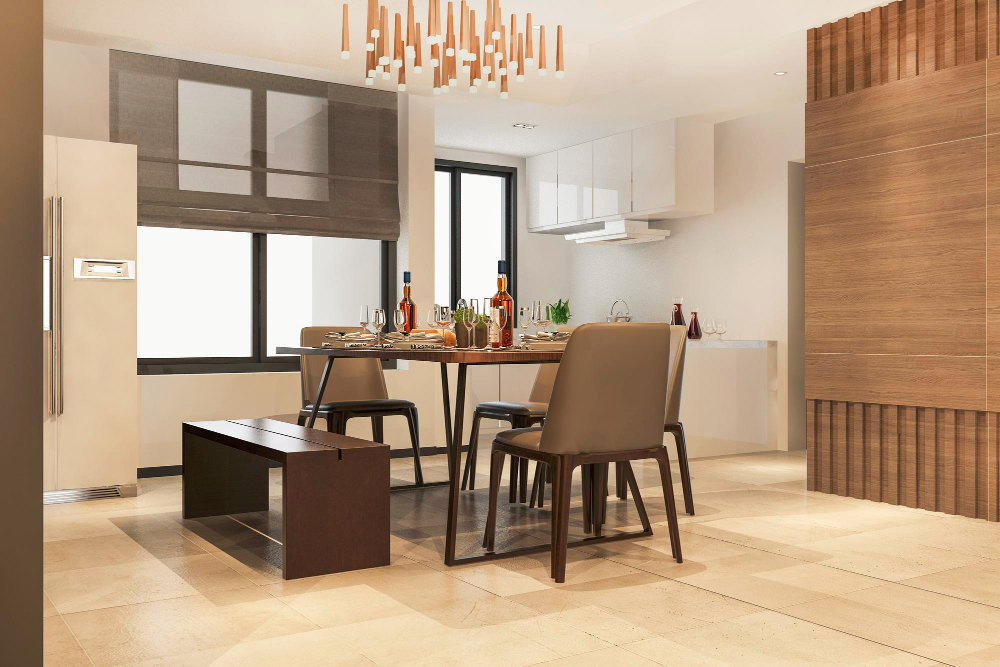
The kitchen and bathroom are more than just utilitarian spaces in a Ugandan home; they are hubs of daily routine, self-care, and family life. Renovating these rooms represents one of the smartest investments you can make, significantly boosting your home’s comfort, functionality, and resale value. However, a successful renovation in Uganda must balance modern aesthetics with practical considerations for local lifestyles, climate, and available materials. Whether you’re aiming for a sleek, contemporary look or a warm, inviting update, the key is to merge beauty with resilience and efficiency. This guide offers targeted renovation ideas for Ugandan homes, focusing on the kitchen and bathroom, to inspire a transformation that is both stunning and perfectly suited to your life.

Kitchen Renovation: The Heart of the Home

The modern Ugandan kitchen is evolving into an open, multi-functional space for cooking, gathering, and entertaining.

1. Smart Layouts for Efficiency and Flow

  • The Work Triangle: Optimize the classic triangle between sink, refrigerator, and cooker. In an open-plan design, consider a kitchen island that incorporates one or more of these points, creating a natural social hub.
  • Ample Counter Space: Prioritize uninterrupted stretches of countertop, especially near the cooker and sink. A durable quartz or granite slab is ideal for both prep work and hot items.
  • Zoning: Create distinct zones for prep, cooking, cleaning, and storage (including a dedicated pantry cupboard if space allows) to keep the kitchen organized.

2. Durable and Stylish Material Choices

Choose materials that can handle humidity, heat, and heavy use.

  • Countertops: Locally sourced granite is a superb, durable choice. Engineered quartz offers a non-porous, low-maintenance alternative with consistent color.
  • Cabinetry: Opt for high-pressure laminate or thermofoil cabinet fronts in satin finishes, which resist moisture and are easy to clean. Wood is beautiful but requires more upkeep.
  • Flooring: Porcelain or ceramic tiles with a textured, anti-slip finish are perfect. Large-format tiles minimize grout lines for a cleaner look and easier cleaning.

3. Practical Upgrades for the Ugandan Context

  • Integrated Appliances: To combat dust and create a streamlined look, choose built-in ovens and hobs. A powerful, quality extractor fan is essential for managing cooking fumes.
  • Purposeful Storage: Incorporate deep drawers for pots, pull-out larder units, and vertical tray dividers. Consider a dedicated storage nook for larger Ugandan cooking utensils like saucepans and mortars.
  • Lighting: Layer lighting with bright LED task lighting under cabinets, ambient ceiling lights, and a statement pendant over an island or dining area.

Bathroom Renovation: Creating a Personal Sanctuary

Transform your bathroom from a purely functional room into a spa-like retreat.

1. Space-Saving and Luxurious Layouts

  • Wet Room Concepts: For smaller bathrooms, consider a wet room design where the shower area is level with the rest of the floor, separated by a glass screen or partial wall. This eliminates shower trays and makes the space feel larger.
  • Wall-Hung Fixtures: A wall-mounted toilet and vanity unit create a floating effect, making the floor easier to clean and the room appear more spacious.
  • Smart Shower Upgrades: Install a thermostatic shower mixer for consistent water temperature. A rainfall showerhead adds a touch of luxury, while a handheld spray is practical for cleaning.

2. Materials Focused on Hygiene and Atmosphere

  • Floor-to-Ceiling Tiles: Using large, light-colored tiles on both walls and floors creates a seamless, expansive look and is incredibly easy to maintain. Add a decorative tile border or feature wall for interest.
  • Vanity & Storage: Choose a vanity with a solid surface top (like quartz) that can withstand water. Ensure it has ample closed storage to keep counters clutter-free.
  • Natural Light & Ventilation: If possible, enlarge windows or add a skylight. An efficient, quiet extractor fan is non-negotiable to manage humidity and prevent mold.

3. Water and Energy Efficiency

  • Low-Flow Fixtures: Install water-saving taps, showerheads, and dual-flush toilets. These significantly reduce water consumption without sacrificing performance.
  • Point-of-Use Water Heating: For bathrooms far from the main geyser, consider installing a small, energy-efficient instant water heater (like a 15L under-sink unit) to provide hot water on demand and reduce electricity costs from heating long pipe runs.

Bringing It All Together: Working with Professionals

A successful renovation requires careful planning.

  1. Consult an Interior Designer: An interior designer in Kampala can help you optimize the layout, select cohesive materials, and manage the project.
  2. Hire Specialized Tradespeople: Use a recommended plumber and tiler. Their skill is crucial for waterproofing, which is the most critical aspect of any bathroom or kitchen renovation.
  3. Plan for Disruption: Set up a temporary kitchen and bathroom elsewhere in the house. Establish a clear timeline with your contractor.

Elevating Everyday Experiences

Renovating your kitchen and bathroom is an investment in your quality of life. By focusing on practical layouts, durable local materials, and smart upgrades tailored to the Ugandan environment, you can create spaces that are not only beautiful and modern but also a joy to use every single day. These renovations will enhance your daily routines, impress your guests, and add lasting value to your residential building in Uganda. Start with a clear plan, partner with the right professionals, and watch as these essential rooms transform into the standout features of your home.


Categories
Uncategorized

Maximizing Space and Light in Ugandan Home Interiors

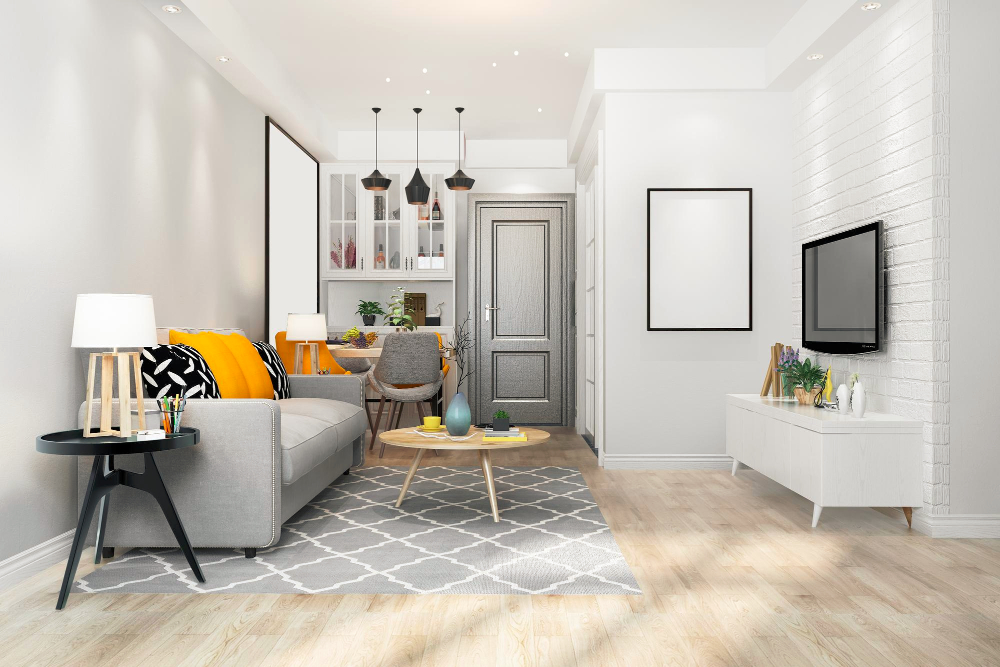
In the heart of Uganda’s vibrant urban centers, where land is at a premium and the tropical sun is abundant, making a home feel spacious and luminous is a universal desire. Skillfully maximizing space and light in Ugandan home interiors is not just an aesthetic pursuit—it’s a fundamental design strategy that enhances comfort, functionality, and mood. A bright, airy home feels more welcoming, reduces energy costs, and can even improve well-being. Whether you are working with a compact apartment in Kampala or a larger suburban home, the principles of visual expansion and light manipulation are key. This guide offers practical, actionable tips that homeowners and interior designer in Kampala professionals can use to transform any space, making it feel larger, brighter, and perfectly attuned to the Ugandan context.

Fundamental Strategies for a Brighter, More Spacious Home

The goal is to create an illusion of more space and harness every ray of natural light. This is achieved through a combination of layout, color, and strategic design choices.

1. Embrace Open-Plan Living and Smart Zoning

Breaking down unnecessary walls is the most effective way to create a sense of volume and allow light to travel.

  • Combine Key Living Areas: Integrating the kitchen, dining, and living room into one cohesive space eliminates dark corridors and creates a generous, multi-functional heart for the home. This is a hallmark of modern Ugandan home design architect projects.
  • Use Visual Dividers Instead of Walls: Define areas with changes in flooring texture, area rugs, different ceiling heights, or low-level furniture like bookshelves and consoles. Sliding partitions or glass doors can separate rooms when needed without blocking light.
  • Optimize Flow: Ensure furniture placement creates clear, unobstructed pathways. This makes movement through the home feel easy and the space itself feel larger.

2. Master the Use of Color and Reflectivity

Color is your most powerful tool for manipulating perception.

  • Light, Neutral Base Palette: Paint walls, ceilings, and major built-in elements in soft whites, creams, pale grays, or warm beiges. These colors reflect light rather than absorbing it, making walls seem to recede.
  • Strategic Use of Color: Introduce personality and depth with color through easily changeable elements: throw pillows, artwork, rugs, and small furniture pieces. A single accent wall in a deeper tone can add interest without shrinking the space.
  • Incorporate Reflective Surfaces: Use mirrors strategically to double light and views. Place a large mirror opposite a window to bounce light deep into the room. Consider glossy finishes on kitchen cabinets, glass tabletops, and metallic décor accents to add sparkle and reflection.

3. Optimize Window Treatments and Glass Features

Your connection to the outdoors is your primary light source. Treat it with care.

  • Maximize Window Size and Cleanliness: If renovating, consider enlarging windows or adding new ones, especially on north or south-facing walls. Keep windows clean to allow maximum light transmission.
  • Choose Light-Filtering Window Treatments: Avoid heavy, dark drapes. Opt for sheer curtains, light linen Roman shades, or minimalist blinds that can be pulled completely clear of the window frame during the day.
  • Incorporate Internal Glass: Use interior glass doors or transom windows above doorways to allow light to filter between rooms, brightening interior spaces like hallways and bathrooms.

4. Implement Strategic Furniture Choices and Decluttering

Furniture can open up a space or choke it. Choose wisely.

  • Scale and Proportion: Select furniture that fits the room. Over-sized sofas in a small living room will overwhelm it. Choose pieces with legs (sofa, chairs, beds) to create a sense of airiness and floor visibility.
  • Dual-Purpose and Built-In Furniture: Use ottomans with storage, sofa beds, and wall-mounted desks. Built-in shelving and cabinetry provide storage without the bulk of free-standing units, maintaining clean lines.
  • The Power of Decluttering: A minimalist approach is key. Use clever storage solutions to keep surfaces clear. Visual clutter makes a space feel cramped and busy, no matter its size.

5. Enhance with Artificial Lighting Layering

When the sun sets, a thoughtful lighting plan takes over to maintain the spacious ambiance.

  • Layer Your Lights: Combine ambient (general ceiling lights), task (desk lamps, under-cabinet lights), and accent (picture lights, spotlights) lighting. This creates depth and interest.
  • Upgrade Light Fixtures: Replace old, dim fixtures with brighter, energy-efficient LED options. Use multiple points of light instead of relying on a single central fixture, which can create shadows.
  • Warm White Tones: Choose LED bulbs in a “warm white” (2700K-3000K) color temperature. This mimics natural sunlight and creates a cozy, inviting glow, unlike harsh cool-white bulbs.

Transforming Perception Through Design

Maximizing space and light in Ugandan home interiors is an achievable goal for any home, regardless of its original footprint. It requires a mindful approach to layout, a disciplined color strategy, intelligent furniture choices, and a celebration of natural light. By implementing these principles, you can transform a compact urban apartment or a poorly lit room into a sanctuary that feels expansive, energizing, and deeply connected to Uganda’s beautiful light. It’s about working with your space, not against it, to create a home that feels both open and intimately your own.

Categories
Uncategorized

Modern Office Interior Design Trends in Uganda

The modern workplace is undergoing a profound transformation globally, and Uganda is no exception. Today’s office interior design in Uganda is about much more than desks and chairs; it’s a strategic tool for attracting top talent, fostering collaboration, enhancing employee well-being, and projecting a dynamic brand identity. As businesses in Kampala and beyond strive for innovation and growth, the physical workspace has become a key asset in that mission. Moving away from rigid, cubicle-filled layouts, contemporary design embraces flexibility, technology, and a human-centric approach. Whether you’re fitting out a new commercial construction in Uganda or renovating an existing space, understanding these trends is essential. This guide explores the key modern office interior design trends in Uganda that are shaping the future of work, creating environments where people feel inspired, connected, and productive.

The Driving Philosophy: Designing for People and Purpose

The core shift in modern office design is from a focus on mere occupancy to a focus on experience and outcomes. The goal is to support various work styles—focus, collaboration, learning, and socializing—within one cohesive environment.

Trend 1: Flexible & Hybrid Workspaces

The post-pandemic era has cemented hybrid work models. Offices are now designed as hubs for collaboration and culture, not just daily attendance.

  • Activity-Based Working (ABW): Provides a variety of settings for different tasks: silent focus pods, open collaboration benches, formal meeting rooms, and casual lounge areas. Employees choose where to work based on their current activity.
  • Hot-Desking & Unassigned Seating: Reduces real estate costs and encourages movement and interaction. Supported by robust locker systems and cloud technology.
  • Multi-Functional Spaces: Rooms that can be easily reconfigured with movable partitions or modular furniture to serve as a team workshop one day and a client presentation area the next.

Trend 2: Biophilic Design & Connection to Nature

Integrating natural elements is a powerful trend, especially relevant in Uganda’s green context, reducing stress and boosting cognitive function.

  • Abundant Indoor Plants & Living Walls: Beyond aesthetics, plants improve air quality and create a calming, vibrant atmosphere.
  • Natural Materials: Use of wood, stone, rattan, and linen in furniture, finishes, and decor to bring organic texture indoors.
  • Maximized Natural Light & Views: Prioritizing open layouts and glass partitions to allow daylight to penetrate deep into the floor plan. Incorporating views of greenery, where possible, is a major asset.

Trend 3: Focus on Employee Wellness & Ergonomics

A healthy employee is a productive one. Design now explicitly supports physical and mental well-being.

  • Ergonomic Everything: Investment in high-quality, adjustable chairs, sit-stand desks, and supportive accessories is standard, not a luxury.
  • Wellness Rooms & Quiet Zones: Dedicated, private spaces for prayer, meditation, nursing mothers, or simply a quiet mental break from the open plan.
  • Improved Air Quality & Acoustics: Use of high-grade HVAC filters, attention to acoustic design with sound-absorbing panels, carpets, and ceiling baffles to manage noise levels in open areas.

Trend 4: Local Identity & Cultural Infusion

Modern Ugandan offices are increasingly proud to reflect their locale, moving beyond generic international styles.

  • Use of Local Artistry: Commissioning artwork, sculptures, or installations from Ugandan artists to create a unique sense of place and support the local creative economy.
  • Incorporation of Local Textiles & Crafts: Fabrics like barkcloth (olubugo) or local prints can be used in upholstery, wall panels, or decorative elements, adding color and story.
  • Color Palettes Inspired by Landscape: Using earthy tones, greens, and blues that reflect Uganda’s natural beauty.

Trend 5: Technology Integration & Smart Offices

The seamless blend of technology into the physical space is non-negotiable for efficiency.

  • Wireless & Seamless Connectivity: Strong, ubiquitous Wi-Fi and ample, discreetly placed charging points (including wireless) throughout.
  • Smart Meeting Rooms: Equipped with easy-to-use video conferencing systems, digital whiteboards, and automated scheduling displays outside the door.
  • IoT for Efficiency: Use of smart lighting and climate control systems that adjust based on occupancy, saving energy and enhancing comfort.

Implementing Trends: A Practical Checklist for Business Owners

When planning your office redesign or build-out with an interior designer in Kampala, discuss these points:

  • Audit Your Team’s Needs: How do people actually work? What’s missing in the current space?
  • Prioritize Flexibility: Invest in modular furniture and avoid built-in fixtures that can’t adapt.
  • Budget for Well-being: Allocate funds for ergonomic furniture and acoustics; it pays off in reduced absenteeism.
  • Showcase Your Brand: Use the space to visually communicate your company’s values and culture.
  • Plan for Technology: Involve your IT team early in the design process.

Designing for the Future of Work in Uganda

The evolution of office interior design in Uganda reflects a broader understanding that the workplace is a key driver of business success. By embracing flexibility, biophilia, wellness, local culture, and smart technology, companies can create environments that not only impress clients but also empower their most valuable asset: their people. Partnering with a forward-thinking interior design in Uganda firm is the first step toward creating a workspace that is not just modern, but meaningfully attuned to the needs of the Ugandan workforce today and tomorrow. Invest in your space, and you invest in your team’s potential.

Categories
Uncategorized

Choosing an Interior Designer in Kampala for Your Home Style

Your home is a reflection of your personality, lifestyle, and aspirations. Transforming a house into a space that truly feels like yours requires more than just furniture; it demands a thoughtful blend of aesthetics, functionality, and personal expression. This is where the expertise of a professional interior designer in Kampala becomes invaluable. Whether you’re moving into a new build from a construction company in Kampala, renovating an older property, or simply refreshing a room, the right designer acts as your creative guide and project conductor. However, with various styles and professionals available, selecting the perfect match for your vision is crucial. This guide will help you navigate the process of choosing an interior designer in Kampala who not only has the skill but also the sensitivity to translate your ideas into a beautifully cohesive reality.

Why Hire a Professional Interior Designer?

Before searching, understand the value they bring:

  • Cohesive Vision: They see the “big picture,” ensuring a consistent style, color palette, and flow throughout your home.
  • Space Optimization: They maximize functionality and flow, especially important for modern interior designers Kampala working with urban spaces.
  • Access to Resources: Designers have trade-only access to unique fabrics, furniture, wallpapers, and artisans you can’t find retail.
  • Project Management: They coordinate deliveries, manage contractors (painters, carpenters, upholsterers), and handle problem-solving, saving you immense time and stress.
  • Increased Property Value: Professionally designed interiors significantly boost the appeal and perceived value of your home.

Step-by-Step Guide to Finding Your Design Partner

Step 1: Define Your Project Scope and Style

Clarity on your end will attract the right talent.

  • Identify the Scope: Is this a single room (kitchen, bathroom), a full-house interior design in Uganda project, or ongoing decoration? Define your budget range honestly.
  • Pinpoint Your Style: Collect inspiration from platforms like Pinterest or Instagram. Do you lean towards Scandinavian minimalism, modern African, industrial, classic contemporary, or a bold eclectic mix? Knowing this helps you find a designer whose portfolio aligns with your taste.

Step 2: Research and Create a Shortlist

Look beyond a simple Google search.

  • Portfolio Deep Dive: A designer’s portfolio is their resume. Look for projects on their website or Instagram that resonate with your style and scope. Pay attention to their use of color, texture, and space planning.
  • Seek Personal Recommendations: Ask friends, family, or your architecture firm in Kampala for referrals. A recommendation from a trusted source is gold.
  • Check Credentials & Reviews: While formal certification is emerging, look for affiliation with design associations. Read Google and social media reviews to gauge client satisfaction and professionalism.

Step 3: Conduct Interviews and Assess Compatibility

Schedule consultations (which may be paid or free) with your top 2-3 choices.

  • Prepare Key Questions:
    • “Can you walk me through a similar project from concept to completion?”
    • “What is your design process, and how do you handle client collaboration and feedback?”
    • “How do you structure your fees?” (Common models: flat fee, percentage of project cost, hourly rate, or cost-plus on furnishings).
    • “Who will be my main point of contact, and what is the typical communication timeline?”
  • Present Your Vision: Bring your inspiration images, a floor plan (if you have one), and discuss your lifestyle needs. Gauge their listening skills and enthusiasm.
  • Review a Proposal: After the meeting, a professional designer should provide a written proposal outlining scope of work, deliverables, estimated timeline, and fee structure.

Step 4: Evaluate Chemistry and Professionalism

You will work closely with this person for weeks or months. Trust your gut.

  • Communication Style: Do they explain concepts clearly? Are they responsive and organized?
  • Collaborative Approach: The best designers are guides, not dictators. They should seek to understand your life and incorporate your personality, not just impose their signature style.
  • Transparency: They should be upfront about budgets, potential challenges, and their role versus your responsibilities.

Red Flags and Green Lights

Warning Signs:

  • Unwillingness to provide a clear contract or references.
  • A portfolio that feels inconsistent or doesn’t showcase completed, photographed projects.
  • Pressure to make quick decisions or vague answers about budgeting.

Positive Indicators:

  • They ask insightful questions about how you live and use your space.
  • They show excitement about your project and propose initial creative ideas.
  • They have a systematic process and demonstrate strong project management skills.

Investing in a Home That Tells Your Story

Choosing the right interior designer in Kampala is an investment in your daily well-being and the long-term beauty of your home. It’s a partnership built on trust, shared vision, and clear communication. By doing your homework, asking the right questions, and prioritizing a strong personal connection, you can find a professional who will not only elevate your space but also make the journey enjoyable. The result will be a home that is uniquely yours—a perfect blend of form, function, and personal expression, expertly realized.

Categories
Uncategorized

The Benefits of Professional Property Management in Uganda

For many investors, owning rental property in Uganda represents a significant milestone in building wealth. However, the reality of being a landlord—dealing with tenant issues, maintenance emergencies, rent collection, and legal compliance—can quickly turn a passive income dream into a stressful, time-consuming job. This is where professional property management in Uganda becomes not just a service, but a strategic investment in your peace of mind and the long-term profitability of your asset. A reputable real estate company in Uganda that offers management services acts as your dedicated local expert, shielding you from day-to-day headaches while systematically maximizing your rental yield and protecting your property’s value. This article outlines the concrete benefits of hiring a professional manager, demonstrating why it is a crucial component of successful property investment in Uganda.

The Core Advantages of Professional Management

1. Expert Tenant Sourcing and Vetting

Finding a good tenant is the single most important factor in a hassle-free rental experience.

  • Rigorous Screening: Professional managers conduct comprehensive background checks, including employment verification, previous landlord references, and credit history. This drastically reduces the risk of problematic tenants, late payments, and defaults.
  • Market-Rent Pricing: They use current market data to price your property competitively, minimizing vacancy periods while ensuring you get optimal rental income.
  • Professional Marketing: They utilize multiple listing services, professional photography, and their existing tenant networks to attract a larger pool of qualified applicants quickly.

2. Reliable Financial Administration and Maximized Cash Flow

A manager turns your property into a streamlined income-generating business.

  • Timely Rent Collection: They enforce strict payment schedules, send reminders, and handle all aspects of collection, ensuring a consistent and predictable cash flow directly into your account.
  • Detailed Financial Reporting: You receive regular, transparent statements detailing income, expenses (like maintenance costs), and management fees. This simplifies accounting and tax preparation.
  • Security Deposit Management: They hold deposits in a regulated account and handle the legally compliant process of deductions and returns at the end of a tenancy, protecting you from disputes.

3. Proactive Maintenance and Property Preservation

Regular upkeep protects your capital investment and keeps tenants happy.

  • 24/7 Emergency Response: Tenants have a single point of contact for all issues. The management company handles emergency repairs immediately, so you are not called at night or while traveling.
  • Preventive Maintenance Schedules: They implement routine inspections and servicing for critical systems (roof, plumbing, electrical), identifying small problems before they become costly, major repairs.
  • Vetted Contractor Network: They have relationships with trusted, reasonably priced plumbers, electricians, and handymen, ensuring quality work and preventing overcharging.

4. Legal Compliance and Risk Mitigation

Ugandan tenancy law has specific requirements that, if breached, can lead to significant financial penalties and legal battles.

  • Compliant Tenancy Agreements: Managers use legally sound contracts that protect your interests and comply with the Landlord and Tenant Act.
  • Regulatory Knowledge: They stay updated on relevant laws regarding rent increases, eviction procedures, and safety standards, ensuring you remain compliant.
  • Dispute Resolution: They act as a professional intermediary in any conflicts, often resolving issues before they escalate to formal legal action. If eviction becomes necessary, they manage the complex and sensitive legal process correctly.

5. Local Market Expertise and Strategic Advice

Your manager is your on-the-ground expert, providing insights you can’t get from afar.

  • Rental Market Analysis: They advise when it’s strategic to increase rent based on market trends and property improvements.
  • Vacancy Reduction Strategies: Their expertise in marketing and tenant retention helps keep your property occupied, which is the largest factor in annual yield.
  • Capital Improvement Guidance: They can recommend cost-effective upgrades or renovations that will significantly boost rental value and appeal.

Who Benefits Most from Professional Management?

  • Absentee Landlords: If you live abroad or in a different city, a manager is essential.
  • Owners of Multiple Properties: Management scales efficiently, freeing you to focus on portfolio growth.
  • First-Time Investors: It provides a hands-off education in the rental business while safeguarding your investment.
  • Any Owner Valuing Time and Peace of Mind: Your time has value. Reclaim it.

Choosing the Right Property Management Partner

When selecting a firm, ensure they offer clear contracts, transparent fee structures (typically a percentage of monthly rent, often 8-12%), and demonstrate strong communication protocols. Ask for client references and confirm they have a physical office and a professional team.

From Landlord Stress to Passive Income Success

Professional property management in Uganda transforms real estate ownership from an active job into a truly passive investment. It is a service that pays for itself through higher occupancy rates, longer tenant tenures, preserved property value, and, most importantly, the invaluable gift of your time and freedom from stress. By delegating the operational complexities to experts, you can enjoy the financial benefits of your property investment in Uganda while focusing on your life, career, or next investment opportunity. It is the smart choice for the serious investor.

Categories
Uncategorized

Top Family-Friendly Residential Areas in Kampala

Choosing where to live is one of the most significant decisions for a family. In a bustling city like Kampala, finding a neighborhood that balances safety, space, quality education, and a sense of community is paramount. The ideal residential areas in Kampala for families offer more than just a house; they provide an environment where children can thrive, parents can connect, and daily life is convenient and peaceful. Whether you are relocating, upsizing, or building your new home with a trusted construction company in Kampala, understanding the character and offerings of each suburb is essential. This guide explores some of Kampala’s most sought-after family-friendly neighborhoods, highlighting what makes each unique and desirable for raising a family.

What Makes a Neighborhood “Family-Friendly”?

When evaluating residential areas in Kampala for your family, consider these key factors:

  • Safety and Security: Low crime rates, active neighborhood watches, and gated communities are top priorities.
  • Proximity to Quality Schools: Access to reputable international, private, and well-regarded public schools is a major deciding factor.
  • Amenities and Green Spaces: Parks, playgrounds, sports clubs, shopping centers, and medical facilities within a reasonable distance enhance daily life.
  • Community Vibe: A neighborhood with other families fosters a supportive environment for children and parents alike.
  • Infrastructure: Reliable utilities (power, water), good road networks, and manageable traffic.

Top Family-Friendly Neighborhoods in Kampala

1. Naguru & Nakawa

Once predominantly government housing, this area has transformed into one of Kampala’s most prestigious and planned residential hubs.

  • Why it’s great for families: It is home to the Naguru Hill residential developments and the Nakawa area, known for modern, spacious homes often within secure estates. It offers a quieter, more suburban feel while being minutes from the city centre.
  • Key Features: Proximity to the Acacia Mall, Lugogo Cricket Oval, and several parks. It has excellent access to leading schools like Taibah International School and Naguru Infant Primary School. The area is well-planned with good roads and infrastructure.

2. Kololo

An established, upscale neighborhood known for its diplomatic presence and serene environment.

  • Why it’s great for families: Kololo is one of Kampala’s greenest and most secure suburbs. It’s tranquil, with wide, tree-lined streets and a low-density feel, offering a peaceful retreat from the city’s hustle.
  • Key Features: Home to the Uganda Golf Club, Kololo Airstrip (a vast recreational space), and embassies. It is close to top-tier schools such as Rainbow International School and Buganda Road Primary School. The neighborhood boasts beautiful, architecturally distinct homes, many with ample garden space.

3. Muyenga & Tank Hill

A perennial favorite, these adjacent hills offer stunning views of Lake Victoria and a vibrant, community-oriented atmosphere.

  • Why it’s great for families: Muyenga has a strong sense of community and is popular with expatriate and Ugandan professionals. It offers a mix of villas, apartments, and townhouses. The hills provide a cooler climate and are known for their safety and active residents’ associations.
  • Key Features: Close to Kabira Country Club, Acacia Mall, and a range of international restaurants. Schools like Kampala International School Uganda (KISU) and German School are nearby. The area is well-serviced with supermarkets, clinics, and cafes.

4. Lubowa & Kansanga (Ggaba Road Corridor)

This corridor, stretching towards Entebbe, has seen explosive growth in modern residential estates and apartments.

  • Why it’s great for families: It offers newer housing developments, often within gated communities featuring shared amenities like pools, playgrounds, and gyms—ideal for socializing and child safety. It provides good value relative to the central hills.
  • Key Features: Proximity to Victoria University, Kampala Montessori, and Lubowa International Hospital. Easy access to Ggaba Beach and the Pearl of Africa Hotel. It’s a practical choice for families working in the central or western parts of the city.

5. Ntinda & Kiwatule

These neighboring areas offer a more affordable entry point into Kampala’s family-friendly market without sacrificing convenience.

  • Why it’s great for families: They are vibrant, self-contained suburbs with a strong local community feel. You’ll find a great mix of standalone homes and newer apartment complexes. The areas are known for their excellent local markets, shops, and eateries.
  • Key Features: Home to Ntinda Shopping Complex and close to Garden City Mall. Excellent schools like Hormisdallen School and Seeta High School (Junior Campus) are present. The areas are well-connected to the Northern Bypass, easing commutes.

Making Your Decision: Beyond the Location

Once you’ve identified a preferred residential area in Kampala, consider these next steps:

  • Rent Before You Buy: If possible, rent in the area for 6-12 months to experience the community, traffic patterns, and amenities firsthand before making a long-term commitment or undertaking residential building in Uganda there.
  • Work with a Local Specialist: Engage a real estate agency in Kampala that specializes in your chosen neighborhood. They will have insider knowledge on available properties, pricing trends, and community insights.
  • Visit at Different Times: See the neighborhood on a weekday, weekend, morning, and evening to get a true sense of noise levels, traffic, and community activity.

Finding Your Family’s Home Base

Choosing among the best residential areas in Kampala is about matching your family’s lifestyle, priorities, and budget with the unique character of a neighborhood. Whether you value the serene, established greenery of Kololo, the modern community estates of Lubowa, or the vibrant, convenient life in Ntinda, Kampala offers diverse and wonderful options for family life. By prioritizing safety, education, and community, you can find more than just a house—you can find a true home where your family will flourish for years to come.

Categories
Uncategorized

A Guide to Property Investment in Uganda’s Growing Market

Uganda’s real estate sector presents one of the most compelling property investment in Uganda opportunities in East Africa. Driven by a growing middle class, rapid urbanization, and significant infrastructure development, the market offers attractive potential for capital appreciation and rental yields. However, like any investment landscape, it requires informed strategy, due diligence, and an understanding of local dynamics to navigate successfully. Whether you are a diaspora investor, a local entrepreneur, or an international fund looking at emerging markets, this guide provides a foundational overview of the opportunities, key property types, and essential steps for building a successful property investment in Uganda portfolio. Partnering with a knowledgeable real estate company in Uganda is often the first and most critical step in this journey.

Why Invest in Ugandan Real Estate?

The market fundamentals point towards sustained growth:

  • Strong Demographic Drivers: A young, rapidly growing population and increasing urbanization in cities like Kampala, Entebbe, and Mbarara create consistent demand for housing and commercial space.
  • Infrastructure Development: Ongoing and planned projects (roads, the Kampala Flyover, the Standard Gauge Railway) enhance connectivity and boost property values in surrounding areas.
  • Economic Growth: Steady GDP growth fosters business expansion and increases disposable income, supporting both commercial and residential real estate demand.
  • Diversification: Real estate offers a tangible asset class that can hedge against inflation and currency volatility, diversifying an investment portfolio.

Key Property Investment Sectors in Uganda

1. Residential Real Estate

This is often the entry point for investors and has high demand.

  • Middle-Income Apartments: There is a significant supply gap for quality, affordable apartments in Greater Kampala. Developments offering modern amenities in accessible locations promise strong rental demand and occupancy rates.
  • Student Housing: Proximity to major universities like Makerere presents a perennial demand for well-managed rental units.
  • Gated Communities & Holiday Homes: Targeting the high-end market and diaspora community in areas like Entebbe (near the lake) offers premium rental yields and capital growth.

2. Commercial Real Estate

This sector offers potentially higher yields but requires more specialized management.

  • Office Space: Demand for Grade-A office space in central business districts (CBDs) and strategic hubs like Naguru is rising with the growth of multinationals and local corporates.
  • Retail Space: Shopping malls and well-located retail units in growing suburban neighborhoods cater to the expanding consumer market.
  • Industrial & Warehouse Property: With growth in manufacturing, logistics, and e-commerce, demand for modern warehouse and light-industrial space is increasing, especially along major transport corridors.

3. Land Banking

This is a long-term, strategic play on urban expansion.

  • Strategic Land Acquisition: Purchasing undeveloped land in the path of urban growth (e.g., along new road projects or near planned infrastructure) requires patience but can offer substantial capital appreciation.
  • Due Diligence is Paramount: This is the highest-risk sector. It requires impeccable legal verification of title, awareness of zoning laws, and understanding of local leadership claims. Never buy land based on a simple agreement.

Essential Steps for a Successful Investment

  1. Define Your Investment Goals: Are you seeking regular rental income (yield) or long-term capital appreciation? Your goal dictates the property type and location.
  2. Conduct Thorough Market Research: Don’t rely on hearsay. Analyze actual rental rates, occupancy levels, and sale price trends in your target sub-market. A good real estate agency in Kampala can provide this data.
  3. Perform Rigorous Due Diligence: This is non-negotiable.
    • Legal: Verify the land title at the Uganda Lands Ministry. Ensure there are no encumbrances, mortgages, or disputes.
    • Physical: For existing buildings, hire a professional to inspect structural integrity. For land, verify boundaries and access.
    • Financial: Analyze all costs: purchase price, legal fees, taxes, and potential renovation or development costs. Model your cash flow and return on investment (ROI) conservatively.
  4. Assemble a Professional Team: Your success depends on experts.
    • Real Estate Agent: Find a reputable real estate company in Uganda with a proven investment sales track record.
    • Lawyer: Specialize in Ugandan property law to handle conveyancing.
    • Property Manager: For rental properties, a professional manager handles tenanting, maintenance, and rent collection—key for stress-free passive income.
  5. Understand the Fiscal Framework: Factor in all taxes: stamp duty on purchase, annual property rates, and income tax on rental earnings. Your lawyer can clarify these.

Common Pitfalls to Avoid

  • Incomplete Title Verification: The biggest risk is a defective title. Never skip the official search.
  • Emotional Buying: Treat it as a financial decision. Don’t overpay for a property simply because you “like it” personally.
  • Underestimating Costs: Always budget for renovation, maintenance, vacancies, and professional fees.
  • Going It Alone: The market has nuances. The guidance of a local, reputable real estate agency in Kampala is worth its weight in gold for navigating transactions and sourcing vetted opportunities.

Building Wealth Through Strategic Assets

Property investment in Uganda offers a tangible path to building wealth in a growing economy. Success lies in a disciplined approach: clear goals, meticulous research, unwavering due diligence, and the support of a professional local team. By focusing on fundamentals, understanding the different sectors, and mitigating risks through proper processes, investors can confidently participate in and benefit from the exciting growth of Uganda’s real estate market. Start your journey with knowledge as your foundation.

Categories
Uncategorized

Finding the Right Real Estate Agency in Kampala for Your Needs

Kampala’s real estate market is dynamic, diverse, and full of opportunity—but also complex and sometimes opaque. Whether you’re searching for your first home, selling an inherited property, or making a strategic investment, the difference between a stressful transaction and a successful one often hinges on your choice of partner. Finding the right real estate agency in Kampala is not about picking the first name you see; it’s about identifying a professional, knowledgeable, and ethical firm that aligns with your specific goals. A great agency acts as your guide, negotiator, and market expert, providing invaluable insights into neighborhoods, pricing, legal processes, and investment potential. This guide will walk you through the key criteria for selecting a trustworthy real estate company in Uganda that will protect your interests and help you navigate Kampala’s property landscape with confidence.

Understanding the Value of a Professional Agency

Before you start your search, it’s important to recognize what a top-tier agency offers:

  • Market Intelligence: They have up-to-date data on pricing trends, neighborhood developments, and property availability that isn’t publicly accessible.
  • Network and Access: They often have off-market listings and a broad network of buyers, sellers, and other professionals (lawyers, construction company in Kampala firms, valuers).
  • Negotiation Expertise: They act as a buffer and skilled negotiator, working to secure the best possible price and terms for you.
  • Transaction Management: They help coordinate the complex process from offer to closing, including due diligence, legal checks, and paperwork.

Key Steps to Identify the Best Agency for You

Step 1: Define Your Specific Needs and Goals

Your ideal agency will specialize in your type of transaction.

  • Buying: Are you looking for a residential home, a rental income property, or commercial construction in Uganda opportunities? Specify your budget, preferred locations (like Kololo, Naguru, or emerging suburbs), and must-have features.
  • Selling: Do you need a fast sale, maximum value, or discretion? An agency’s marketing strategy and buyer network should match your priority.
  • Investing: You need an agency with a strong analytical background that understands yields, future development plans, and the property investment in Uganda landscape.

Step 2: Research and Create a Shortlist

Look for agencies with a proven track record in your area of interest.

  • Specialization: Seek out agencies known for luxury villas, apartments in Kampala, commercial property, or residential areas in Kampala that interest you. Their website portfolio and listings should reflect this focus.
  • Online Presence & Reputation: Review their professional website and active social media. Check their Google Business Profile for client reviews. Look for consistent patterns of positive feedback about professionalism, communication, and results.
  • Industry Recognition: Are they members of professional bodies like the Uganda Real Estate Agents Association (UREAA)? This can indicate a commitment to ethical standards.

Step 3: Interview Potential Agents and Agencies

Meet with the specific agent who would handle your account, not just a company representative.

  • Ask Critical Questions:
    • “What is your experience with transactions in [your target area or property type]?”
    • “Can you provide references from past clients with similar needs?”
    • “How will you market my property?” or “What sources do you use to find properties for buyers?”
    • “What is your fee structure, and what services does it include?”
  • Assess Their Local Knowledge: A good agent should demonstrate deep knowledge of neighborhood amenities, future infrastructure projects, typical price per square meter, and even local building plan approval in Kampala nuances that affect property values.
  • Evaluate Communication Style: Do they listen carefully to your needs? Are they responsive, clear, and professional? You will be in frequent contact, so trust and rapport are essential.

Step 4: Verify Credentials and Review the Agreement

Due diligence is crucial before signing any exclusive mandate or buyer agreement.

  • Verify Legitimacy: Ensure the agency is a legally registered business. You can ask for their trading license.
  • Understand the Contract: Carefully review the terms of any agreement. Note the duration of the mandate, the commission rate, and any exclusive clauses. Don’t hesitate to ask for clarification on any point.

Red Flags and Green Lights in Your Search

Be Cautious of:

  • Pressure Tactics: An agent who pressures you to make a quick decision or sign an agreement.
  • Vague Answers: Unwillingness to provide concrete data, past sales evidence, or a clear marketing plan.
  • Lack of a Digital Footprint: In today’s market, a professional agency invests in its online presence.

Look For:

  • Transparency: Open discussion about fees, process, and potential challenges.
  • Proactive Communication: They suggest viewings, send tailored listings, and provide regular updates.
  • Professional Network: They can recommend reputable lawyers, property inspectors, and financial institutions.

Your Partner in Property Success

Choosing the right real estate agency in Kampala is a strategic decision that directly impacts your financial outcome and peace of mind. By defining your goals, conducting thorough research, interviewing agents, and verifying credentials, you empower yourself to select a partner who is not just a salesperson, but a true advisor. The right agency will provide the local expertise, professional integrity, and dedicated service you need to successfully buy, sell, or invest in Kampala’s vibrant property market. Take your time to find this partner—it is the first and most important step toward a successful real estate journey.

Categories
Uncategorized

Blending Indoor and Outdoor Spaces in Ugandan Home Design

Uganda’s gift of a temperate climate, lush greenery, and breathtaking landscapes presents a unique opportunity in residential design: the chance to erase the hard line between inside and outside. Modern Ugandan home design architect principles increasingly focus on creating fluid, integrated living environments that celebrate this connection. Blending indoor and outdoor spaces is no longer just an aesthetic choice; it’s a design philosophy that enhances natural light, improves ventilation, expands perceived living area, and fosters a deeper connection to nature. For homeowners, this means a home that feels more spacious, vibrant, and in harmony with its surroundings. This article explores the key strategies and benefits of this design approach, showcasing how a skilled residential architect in Uganda can transform your living experience by masterfully weaving the outdoors into the fabric of your daily life.

The Core Benefits of Integrated Living Spaces

Why is this design approach so impactful in the Ugandan context?

  • Enhanced Natural Light and Ventilation: Large openings and strategic orientations harness Kampala’s sunlight and prevailing breezes, reducing reliance on artificial lighting and cooling, aligning with sustainable building practices in Uganda.
  • Expanded Perception of Space: Visually and physically connecting rooms to terraces, gardens, or courtyards makes interiors feel significantly larger and less confined.
  • Improved Lifestyle and Well-being: Easy access to fresh air, greenery, and natural light has proven benefits for mental and physical health, creating a serene and uplifting home environment.
  • Perfect for Entertainment: It creates a natural flow for hosting, allowing guests to mingle effortlessly between the kitchen, living room, and outdoor dining or lounge areas.
  • Capitalizes on Views: Whether it’s a garden, cityscape, or Lake Victoria, integrated design frames and maximizes your property’s outlook.

Key Design Strategies for Seamless Integration

A professional architecture firm in Kampala will employ several architectural techniques to achieve this blend.

1. Strategic Use of Large Openings and Retractable Systems

The physical barrier between inside and outside must be minimal and flexible.

  • Floor-to-Ceiling Glass Doors: Sliding, stacking, or bi-fold glass doors completely open up a wall, creating a vast, uninterrupted opening. When closed, they maintain a full visual connection and light penetration.
  • Large Windows and Corner Glazing: Using big windows, especially corner windows that meet at a right angle without a solid post, dissolves the solidity of walls and creates panoramic views.
  • Retractable Glass Walls: For the ultimate flexibility, entire walls can retract into pockets, entirely removing the boundary in good weather.

2. Material Continuity and Visual Flow

Using similar materials inside and out creates a cohesive visual journey.

  • Flooring Extension: Continuing the same or similar flooring material (e.g., polished concrete, large-format tiles, or decking) from the interior living space directly onto the patio or veranda visually expands the room.
  • Consistent Ceiling Elements: Extending the ceiling material (like wood cladding or a painted finish) from inside to an outdoor covered area strengthens the connection.
  • Color Palette Harmony: Using a complementary color scheme for interior walls and exterior finishes makes the transition feel intentional and smooth.

3. Design of “In-Between” or Threshold Spaces

These transitional zones are key to a graceful blend.

  • Covered Verandas and Deep Overhangs: A wide, covered porch acts as a shaded transitional room—not quite inside, not fully outside. It provides shelter from rain and harsh sun, making the outdoor space usable for more hours of the day.
  • Internal Courtyards and Atriums: Bringing an outdoor element into the heart of the home is a powerful technique. An internal courtyard or light well provides privacy, light, and a garden view to surrounding rooms.
  • Transitional Landscaping: Using potted plants, indoor gardens, or green walls at the threshold softens the edge and brings nature inward.

4. Functional Zoning and Purposeful Design

Each connected space should have a clear purpose that complements the other.

  • Outdoor Rooms: Designate specific functions for outdoor areas, such as an outdoor kitchen and dining zone, a lounge area with a fire pit, or a quiet garden nook. This makes them purposeful extensions of the home.
  • Visual Alignment: Aligning key interior features (like a fireplace or a piece of art) with a focal point in the garden creates a strong visual axis that draws the eye outward.

Working with Your Architect to Achieve the Blend

To realize this vision, clear communication with your Ugandan home design architect is essential:

  1. Discuss Your Lifestyle: How do you want to use these spaces? For large gatherings, quiet morning coffee, or children’s play?
  2. Consider the Site: The design will depend on your plot’s orientation, views, privacy needs, and prevailing winds.
  3. Plan for Maintenance and Security: Discuss practicalities like mosquito screening, sun control (with strategic shading), security for large openings, and easy-to-maintain materials for outdoor areas.

Living in Harmony with Your Environment

Blending indoor and outdoor spaces is the hallmark of thoughtful, modern residential building in Uganda. It is a design response that honors the country’s beautiful climate and promotes a healthier, more expansive way of living. By partnering with a sensitive and skilled architecture firm in Kampala, you can move beyond a house with a garden to create a holistic home where life flows effortlessly between shelter and sky, interior comfort and natural beauty. The result is not just a structure, but a living experience that is uniquely connected to the vibrant essence of Uganda itself.

Categories
Uncategorized

Navigating Building Plan Approval in Kampala with Your Architect

The journey from a dream design to a physical structure in Kampala requires navigating one critical checkpoint: obtaining official building plan approval in Kampala from the Kampala Capital City Authority (KCCA). For many homeowners and developers, this regulatory process can seem like a daunting maze of paperwork, technical requirements, and potential delays. However, this is precisely where the expertise of your architecture firm in Kampala becomes invaluable. A professional architect does not just create beautiful designs; they serve as your expert guide and advocate through the entire approval process. They understand the local codes, anticipate potential issues, and ensure your submission is complete and compliant from day one. This article demystifies the KCCA approval process and illustrates how partnering with a knowledgeable architect transforms it from a bureaucratic hurdle into a streamlined, efficient step toward breaking ground.

Why Building Plan Approval is Non-Negotiable

Before diving into the process, it’s crucial to understand its importance:

  • Legal Requirement: Construction cannot legally commence without an approved building permit from KCCA. Building without approval can result in “Stop Work” orders, fines, or even demolition.
  • Safety Assurance: The review process ensures your design complies with the Uganda National Building Standards, covering structural integrity, fire safety, ventilation, and sanitation.
  • Urban Planning Alignment: Approval ensures your project aligns with Kampala’s zoning laws, density regulations, and overall development plan, contributing to orderly urban growth.
  • Future Proofing: An approved plan is essential for obtaining a Certificate of Occupancy upon completion and for any future property transactions.

The Step-by-Step Approval Process: How Your Architect Guides You

A seasoned residential architect in Uganda manages this multi-stage process on your behalf, providing clarity and confidence at each phase.

Stage 1: Pre-Submission Preparation & Due Diligence

This foundational work, done before any forms are submitted, is critical for a smooth application.

  • Site-Specific Research: Your architect will conduct a title search and review your land title to confirm ownership and any covenants. They verify the plot’s zoning classification (residential, commercial, mixed-use) and its associated development controls (height restrictions, setbacks, plot coverage).
  • Preliminary Design Compliance Check: They design your home with KCCA’s regulations in mind from the very first sketch, ensuring the footprint, height, and spacing comply with the required setbacks from boundaries.
  • Assembling the Required Documentation: Your architect prepares the complete submission package, which typically includes:
    1. Completed application forms.
    2. Architectural Drawings: Site plans, floor plans, elevations, sections, and roof plans.
    3. Structural Engineer’s Drawings & Calculations: Certified by a registered engineer, proving the building’s stability.
    4. Proof of Land Ownership: Certified copy of the land title.
    5. Location Sketch: A simple diagram showing the plot’s location relative to major roads.

Stage 2: Formal Submission & Follow-Up

Your architect acts as your official representative, handling all interactions with the authority.

  • Lodging the Application: They submit the complete dossier to the KCCA Physical Planning Department, either in person or through the online portal, and secure your official receipt and application number.
  • Liaising with Planning Officials: Your architect is the point of contact for any queries from the planners. They can professionally address technical questions and provide clarifications promptly, preventing your application from being shelved due to a simple misunderstanding.
  • Tracking Progress: They follow up regularly to monitor the application’s status, understanding the typical timelines (which can vary from several weeks to a few months).

Stage 3: Addressing Queries & Securing Approval

Few plans are approved without any comments. The architect’s role in responding to feedback is crucial.

  • Reviewing Conditions: If KCCA issues conditional approval or requests revisions, your architect interprets the technical notes and advises you on the best way to comply.
  • Making Necessary Revisions: They efficiently modify the drawings and documentation to meet the planner’s conditions—whether it’s adjusting a setback, clarifying a detail, or providing additional calculations.
  • Resubmission: They manage the re-submission of revised documents until full, unconditional approval is granted and the Building Permit is issued.

Common Pitfalls Your Architect Helps You Avoid

  • Incomplete Applications: The number one cause of delay. An architect ensures every required document and drawing is present and correctly formatted.
  • Non-Compliant Designs: Amateur designs often violate zoning rules or building standards, leading to outright rejection. An architect’s design is pre-vetted for compliance.
  • Poor Communication: Without a professional representative, queries from KCCA may go unanswered, stalling the application indefinitely.
  • Ignoring Pre-Application Meetings: Some architects recommend a pre-submission meeting with KCCA planners for complex projects to get informal feedback, smoothing the formal path later.

Your Permit, Their Expertise

Navigating building plan approval in Kampala is a complex but manageable process with the right expert by your side. A qualified architecture firm in Kampala does more than just submit paperwork; they provide strategic guidance, technical precision, and professional advocacy, turning a potential source of stress into a systematic step in your project’s journey. By entrusting this critical task to your architect, you invest not just in a set of approved plans, but in the peace of mind that comes from knowing your dream home is built on a foundation of legal and regulatory certainty. This allows you to focus on the excitement of construction, confident that the essential groundwork has been expertly laid.