In the heart of Uganda’s vibrant urban centers, where land is at a premium and the tropical sun is abundant, making a home feel spacious and luminous is a universal desire. Skillfully maximizing space and light in Ugandan home interiors is not just an aesthetic pursuit—it’s a fundamental design strategy that enhances comfort, functionality, and mood. A bright, airy home feels more welcoming, reduces energy costs, and can even improve well-being. Whether you are working with a compact apartment in Kampala or a larger suburban home, the principles of visual expansion and light manipulation are key. This guide offers practical, actionable tips that homeowners and interior designer in Kampala professionals can use to transform any space, making it feel larger, brighter, and perfectly attuned to the Ugandan context.
Fundamental Strategies for a Brighter, More Spacious Home
The goal is to create an illusion of more space and harness every ray of natural light. This is achieved through a combination of layout, color, and strategic design choices.
1. Embrace Open-Plan Living and Smart Zoning
Breaking down unnecessary walls is the most effective way to create a sense of volume and allow light to travel.
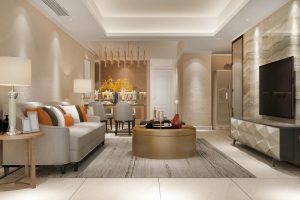
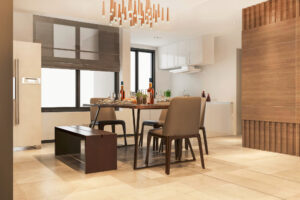
- Combine Key Living Areas: Integrating the kitchen, dining, and living room into one cohesive space eliminates dark corridors and creates a generous, multi-functional heart for the home. This is a hallmark of modern Ugandan home design architect projects.
- Use Visual Dividers Instead of Walls: Define areas with changes in flooring texture, area rugs, different ceiling heights, or low-level furniture like bookshelves and consoles. Sliding partitions or glass doors can separate rooms when needed without blocking light.
- Optimize Flow: Ensure furniture placement creates clear, unobstructed pathways. This makes movement through the home feel easy and the space itself feel larger.
2. Master the Use of Color and Reflectivity
Color is your most powerful tool for manipulating perception.
- Light, Neutral Base Palette: Paint walls, ceilings, and major built-in elements in soft whites, creams, pale grays, or warm beiges. These colors reflect light rather than absorbing it, making walls seem to recede.
- Strategic Use of Color: Introduce personality and depth with color through easily changeable elements: throw pillows, artwork, rugs, and small furniture pieces. A single accent wall in a deeper tone can add interest without shrinking the space.
- Incorporate Reflective Surfaces: Use mirrors strategically to double light and views. Place a large mirror opposite a window to bounce light deep into the room. Consider glossy finishes on kitchen cabinets, glass tabletops, and metallic décor accents to add sparkle and reflection.
3. Optimize Window Treatments and Glass Features
Your connection to the outdoors is your primary light source. Treat it with care.
- Maximize Window Size and Cleanliness: If renovating, consider enlarging windows or adding new ones, especially on north or south-facing walls. Keep windows clean to allow maximum light transmission.
- Choose Light-Filtering Window Treatments: Avoid heavy, dark drapes. Opt for sheer curtains, light linen Roman shades, or minimalist blinds that can be pulled completely clear of the window frame during the day.
- Incorporate Internal Glass: Use interior glass doors or transom windows above doorways to allow light to filter between rooms, brightening interior spaces like hallways and bathrooms.
4. Implement Strategic Furniture Choices and Decluttering
Furniture can open up a space or choke it. Choose wisely.
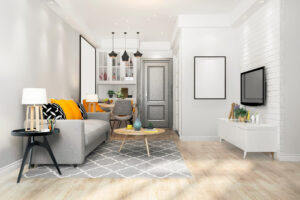
- Scale and Proportion: Select furniture that fits the room. Over-sized sofas in a small living room will overwhelm it. Choose pieces with legs (sofa, chairs, beds) to create a sense of airiness and floor visibility.
- Dual-Purpose and Built-In Furniture: Use ottomans with storage, sofa beds, and wall-mounted desks. Built-in shelving and cabinetry provide storage without the bulk of free-standing units, maintaining clean lines.
- The Power of Decluttering: A minimalist approach is key. Use clever storage solutions to keep surfaces clear. Visual clutter makes a space feel cramped and busy, no matter its size.
5. Enhance with Artificial Lighting Layering
When the sun sets, a thoughtful lighting plan takes over to maintain the spacious ambiance.
- Layer Your Lights: Combine ambient (general ceiling lights), task (desk lamps, under-cabinet lights), and accent (picture lights, spotlights) lighting. This creates depth and interest.
- Upgrade Light Fixtures: Replace old, dim fixtures with brighter, energy-efficient LED options. Use multiple points of light instead of relying on a single central fixture, which can create shadows.
- Warm White Tones: Choose LED bulbs in a “warm white” (2700K-3000K) color temperature. This mimics natural sunlight and creates a cozy, inviting glow, unlike harsh cool-white bulbs.
Transforming Perception Through Design
Maximizing space and light in Ugandan home interiors is an achievable goal for any home, regardless of its original footprint. It requires a mindful approach to layout, a disciplined color strategy, intelligent furniture choices, and a celebration of natural light. By implementing these principles, you can transform a compact urban apartment or a poorly lit room into a sanctuary that feels expansive, energizing, and deeply connected to Uganda’s beautiful light. It’s about working with your space, not against it, to create a home that feels both open and intimately your own.