Embarking on a commercial construction in Uganda project represents a significant leap for any business, whether you’re expanding operations, opening a new branch, or developing investment property. Unlike residential projects, commercial builds involve stricter regulations, more complex systems, and a direct impact on your business’s revenue and operational capacity. Navigating this process successfully requires a clear roadmap and an understanding of each critical phase, from the initial spark of an idea to the grand opening. This guide provides a detailed, step-by-step walkthrough of the commercial construction process in Uganda, equipping business owners and investors with the knowledge to manage timelines, budgets, and expectations effectively with their chosen construction company in Kampala.
Understanding the Phases of Commercial Development
A commercial project is a marathon, not a sprint. Breaking it down into structured phases makes the undertaking manageable and ensures no critical step is overlooked. From conception to occupancy, each stage builds upon the last, requiring careful planning and expert execution.
Phase 1: Project Conception & Feasibility
This initial phase is about transforming a business need into a viable project plan. It’s where ideas are stress-tested against reality.
- Defining Objectives & Scope: Clearly articulate the project’s purpose. Is it a warehouse for logistics, a retail store for customer footfall, or an office to improve productivity? Define the required size, key features, and overall budget ceiling.
- Site Identification & Analysis: Selecting the right location is paramount. Factors include accessibility for customers and suppliers, zoning regulations from KCCA, soil conditions, utility availability, and proximity to your target market or workforce.
- Feasibility Study: This formal assessment, often conducted with your construction company in Kampala, analyzes the financial, technical, and legal viability. It answers: Is the project financially worthwhile? Are there any insurmountable technical hurdles? What are the legal and regulatory barriers?
Phase 2: Design, Planning & Permitting
With a green light from the feasibility study, the project moves into design. This phase turns concepts into actionable blueprints and secures the legal right to build.
- Architectural & Engineering Design: Architects draft the aesthetic and functional layout, while structural, mechanical, and electrical engineers design the building’s core systems. This collaboration ensures the design is both beautiful and buildable.
- Detailed Cost Estimation: Based on the finalized designs, your contractor provides a detailed bill of quantities and a firm project cost estimate. This is more accurate than initial ballpark figures.
- Securing Permits & Approvals: This is a critical step in Uganda. Your team will submit architectural and engineering drawings to the Kampala Capital City Authority (KCCA) for building plan approval in Kampala. Other permits may include environmental impact assessments, water connection approvals, and clearance from the National Forestry Authority if applicable.
Phase 3: Pre-Construction & Mobilization
Before the first shovel hits the ground, meticulous preparation sets the stage for efficient execution.
- Final Contractor Selection: If not already chosen, this is the time to formally hire your commercial construction in Uganda firm through a detailed contract covering scope, cost, timeline, and responsibilities.
- Procurement of Materials: Long-lead items and major materials are ordered to prevent delays. A reliable contractor will have relationships with suppliers to ensure quality and timely delivery.
- Site Mobilization: The construction site is prepared. This includes fencing, setting up site offices and storage, establishing security, and connecting temporary water and power. The project team, including the site manager, foremen, and labor, is assembled.
Phase 4: Construction & Execution
This is the most visible phase, where the building physically rises from the ground.
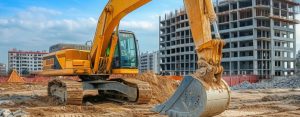
- Site Works & Foundation: The site is cleared, excavated, and the foundation (slab, piers, or stilts) is poured. This stage is crucial for the structural integrity of the entire building.
- Structural Framing & Enclosure: The skeleton of the building—columns, beams, floors, and roof—is erected. Walls are built, and the building is made weather-tight with roofing and exterior cladding.
- Rough-Ins & System Installations: Mechanical, electrical, and plumbing (MEP) contractors install the “guts” of the building: wiring, piping, ductwork, and cabling within the walls and floors before they are closed up.
- Interior Finishes & Exterior Works: Interior walls are plastered and painted, floors are tiled or carpeted, and ceilings are installed. Simultaneously, exterior works like paving, landscaping, and parking lots are completed.
Phase 5: Commissioning, Handover & Closeout
The final phase ensures the building is fully functional, safe, and ready for business operations.
- System Commissioning & Testing: All installed systems (electrical, fire alarms, HVAC, plumbing) are rigorously tested and balanced to ensure they operate as designed and meet safety codes.
- Final Inspections & Snagging: A final walkthrough with the client creates a “snag list” of minor defects or unfinished items. The contractor addresses all items on this list.
- Obtaining Certificates of Completion: The contractor secures a Certificate of Occupancy or Completion from KCCA, confirming the building complies with approved plans and regulations.
- Project Handover & Training: The building keys, all warranties, operation manuals, and as-built drawings are handed over to the client. Training on major systems (like HVAC controls) is often provided.
Partnering for Success in Ugandan Commercial Construction
Understanding this process underscores the value of partnering with an experienced commercial construction in Uganda firm. They act as your guide and manager through each complex phase, navigating local regulations, managing specialized subcontractors, and mitigating risks. By choosing a partner with a proven track record in commercial construction, you invest not just in a building, but in the timely, cost-effective, and high-quality realization of a critical business asset. Your project’s success depends on this foundational partnership.