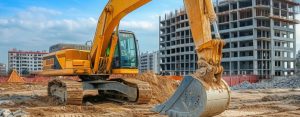
As Uganda grapples with rapid urbanization and population growth, the need for sustainable housing solutions has become more urgent than ever. The future of real estate in Uganda lies in adopting eco-friendly, energy-efficient, and cost-effective housing models that cater to both environmental and economic needs. This article explores how sustainable housing is shaping the future of real estate in Uganda and why developers, investors, and residents are increasingly prioritizing sustainability in their housing decisions.
What Are Sustainable Housing Solutions?
Sustainable housing solutions refer to eco-friendly construction practices, materials, and technologies designed to minimize environmental impact while promoting energy efficiency and long-term affordability. These homes often incorporate solar energy, water recycling systems, green building materials, and smart technologies. Uganda is beginning to embrace these concepts, driven by global environmental trends and local demand for cost-effective living solutions.
The Growing Need for Sustainable Housing in Uganda
Uganda’s urban population is expected to double by 2040, creating immense pressure on housing and infrastructure. This growth comes with challenges such as deforestation, pollution, and inadequate housing for low- and middle-income groups. Sustainable housing addresses these challenges by reducing carbon footprints, conserving natural resources, and ensuring affordability for future generations.
The Role of Green Building Materials in Uganda’s Real Estate
Green building materials like bamboo, compressed earth blocks, and recycled steel are gaining traction in Uganda. These materials are not only eco-friendly but also cost-effective and durable. Developers are now exploring alternatives to traditional cement and brick, which are energy-intensive and contribute to greenhouse gas emissions. Locally sourced materials are becoming a game-changer in reducing construction costs and promoting sustainability.
Solar Energy: A Pillar of Sustainable Housing in Uganda
With abundant sunshine, Uganda has significant potential for solar energy. Many sustainable housing projects now integrate solar panels for electricity generation and solar water heaters to reduce energy costs. This shift is helping homeowners save on utility bills while reducing their reliance on the national power grid. Solar-powered homes are becoming a key selling point for real estate developers targeting eco-conscious buyers.
Water Conservation Technologies in Sustainable Housing
Water scarcity is a growing concern in Uganda, making water conservation a critical aspect of sustainable housing. Technologies like rainwater harvesting systems, low-flow plumbing fixtures, and wastewater recycling are increasingly being adopted in residential projects. These solutions not only conserve water but also reduce utility costs, making homes more affordable and resilient to climate change.
Affordable Sustainable Housing: A Win-Win Solution
Affordable housing and sustainability may seem like contradictory goals, but they can go hand in hand. Developers in Uganda are exploring cost-effective methods like modular construction and prefabricated homes to create affordable yet sustainable housing. These approaches reduce construction time, material wastage, and overall costs, making green homes accessible to middle- and low-income groups.
The Role of Smart Technologies in Sustainable Housing
Smart home technologies are transforming sustainable housing in Uganda. Automation systems for lighting, temperature control, and security enhance energy efficiency and convenience. For instance, smart thermostats and LED lighting systems are becoming standard in high-end sustainable homes. These technologies are not just luxuries—they are investments in long-term sustainability.
Government Policies Promoting Sustainable Housing in Uganda
The Ugandan government is increasingly promoting sustainable housing through policies and incentives. Initiatives like the Green Growth Development Strategy and tax breaks for renewable energy projects encourage developers to adopt sustainable practices. These policies are fostering an environment where eco-friendly real estate projects can thrive.
The Role of Private Sector Investment in Green Housing
The private sector is playing a critical role in advancing sustainable housing in Uganda. From local developers to international investors, many stakeholders are recognizing the profitability of green real estate. Companies are investing in innovative technologies, energy-efficient designs, and environmentally friendly materials to meet the growing demand for sustainable living.
Urbanization and Its Impact on Sustainable Housing Demand
Rapid urbanization in cities like Kampala and Entebbe has intensified the demand for sustainable housing. Urban residents, especially the middle class, are prioritizing energy efficiency and environmental responsibility in their housing choices. This trend is pushing developers to create modern, sustainable housing units that align with urban lifestyles.
Rural Housing and Sustainability
Sustainability is not just an urban issue—it’s equally important in rural areas of Uganda. Projects focusing on affordable and eco-friendly housing in rural regions are helping to address issues like deforestation and poor living conditions. Solar lighting, clean cooking technologies, and water conservation systems are making a significant impact in these communities.
Sustainable Housing Solutions and Climate Change Resilience
Uganda is vulnerable to climate change effects such as flooding and drought. Sustainable housing solutions are key to building resilience against these challenges. Elevated housing designs, proper drainage systems, and the use of climate-resilient materials are becoming standard features in real estate projects across the country.
Energy Efficiency: The Cornerstone of Sustainable Housing
Energy-efficient designs are at the core of sustainable housing. Features like insulated walls, energy-efficient windows, and natural ventilation are reducing the need for artificial heating and cooling. This not only cuts down on energy costs but also contributes to a lower carbon footprint, making homes more environmentally friendly.
The Role of Education in Promoting Sustainable Housing
Awareness and education are crucial in promoting sustainable housing. Many Ugandans are still unaware of the benefits of green homes, making it essential for developers and government agencies to conduct awareness campaigns. Educating homeowners on energy savings, environmental conservation, and health benefits can drive adoption rates.
Challenges Facing Sustainable Housing Development in Uganda
Despite the growing interest, several challenges hinder sustainable housing development in Uganda. High initial costs, lack of skilled labor, and limited access to green building materials are significant barriers. However, ongoing efforts by the government and private sector are gradually addressing these issues, paving the way for wider adoption.
Sustainable Housing and the Middle Class
The expanding middle class in Uganda is driving demand for sustainable housing. These buyers are increasingly willing to invest in eco-friendly homes that offer long-term savings and a healthier living environment. Developers are responding by targeting this demographic with affordable and energy-efficient housing options.
The Role of NGOs in Promoting Sustainable Housing
Non-governmental organizations (NGOs) are actively involved in advancing sustainable housing in Uganda. From funding eco-friendly projects to educating communities, these organizations are bridging gaps in financing and awareness. Their efforts are particularly impactful in low-income and rural areas.
Sustainability and Community Living
Sustainable housing goes beyond individual homes; it also encompasses community-level solutions. Housing developments with shared solar grids, communal water systems, and green spaces are becoming popular. These communities foster collaboration and shared responsibility for environmental conservation.
How Sustainable Housing Drives Economic Growth
Sustainable housing contributes to economic growth by creating jobs in construction, manufacturing, and renewable energy sectors. Green building projects also attract foreign investment, boosting Uganda’s real estate market. The long-term cost savings associated with eco-friendly homes make them an economically viable option for families and investors alike.
The Future of Real Estate in Uganda
The future of real estate in Uganda is undeniably green. As awareness and demand for sustainable housing grow, developers will increasingly prioritize eco-friendly designs and materials. Government support, private sector investment, and technological advancements will continue to drive the adoption of sustainable housing solutions.
Building a Greener Uganda
Sustainable housing solutions are not just a trend—they are the future of real estate in Uganda. By addressing environmental challenges, reducing energy costs, and improving living conditions, these solutions are transforming how Ugandans live and invest in property. As the country continues to urbanize and innovate, sustainable housing will remain at the forefront of Uganda’s real estate revolution.