When embarking on the journey of residential building in Uganda, many homeowners wonder about the true value of hiring a professional architect. Is their role limited to producing the initial drawings required for building plan approval in Kampala? The answer is a resounding no. A skilled residential architect in Uganda acts as your chief designer, technical advisor, project advocate, and creative visionary from the first sketch to the final walkthrough. In the context of Uganda’s unique climate, topography, and regulatory environment, their expertise becomes even more critical. They navigate the complexities of creating a home that is not only beautiful and reflective of your personal style but also functional, climate-responsive, and legally sound. This article delves into the multifaceted role of an architect, moving beyond the blueprint to show how they are an indispensable partner in bringing your dream home to life.
The Architect’s Role: A Comprehensive Overview
An architect’s involvement typically spans five key phases, each adding layers of value, problem-solving, and quality assurance to your project.
Phase 1: Programming and Site Analysis (The Foundation of Good Design)
This initial, often overlooked phase is where the architect translates your life into a spatial brief.
- In-Depth Client Consultation: The architect conducts detailed interviews to understand your family’s lifestyle, routines, future plans, aesthetic preferences, and budget. They ask: How do you live? Entertain? Work? This defines the “program.”
- Critical Site Evaluation: For a residential architect in Uganda, understanding the site is paramount. They analyze:
- Sun and Wind Paths: To position the house for optimal natural light and passive cooling.
- Topography and Soil: To inform foundation design and manage drainage.
- Views and Privacy: To capitalize on assets and mitigate negatives.
- Legal Constraints: Zoning bylaws, setback requirements, and easements.
Phase 2: Schematic Design and Design Development (Giving Shape to Ideas)
Here, abstract ideas begin to take physical form.
- Creating Conceptual Solutions: The architect develops initial sketches and massing models that explore different spatial relationships and orientations on your site. This is a collaborative, iterative process.
- Developing the Approved Design: Once a concept is chosen, the architect refines it. Floor plans, exterior elevations, and basic sections are detailed. Material palettes and sustainable strategies (like sustainable building practices in Uganda) are proposed.
- Preliminary Cost Assessment: The architect works with a quantity surveyor or experienced construction company in Kampala to provide early cost feedback, ensuring the design aligns with your budget.
Phase 3: Construction Documentation (The Legal and Technical Blueprint)
This phase produces the detailed instructions that builders will follow.
- Producing Technical Drawings: These are highly detailed plans, sections, and elevations that specify every dimension, material, and assembly. They are the legal document for permits and construction bids.
- Specification Writing: A complementary document that details the quality, standards, and brands of every material and finish to be used—from the grade of cement to the model of door handle.
- Navigating the Approval Process: The architect prepares and submits the full drawing set to KCCA, managing the building plan approval in Kampala process, addressing any queries from authorities, and securing your construction permit.
Phase 4: Contractor Selection and Bidding
The architect helps you find the right builder to execute their vision.
- Preparing Bid Documents: They assemble the complete package of drawings and specifications for qualified contractors to price.
- Evaluating Bids: The architect helps you analyze and compare bids from different construction company in Kampala options, not just on price but on scope comprehension, timeline, and reputation.
- Contract Administration Support: They can help draft or review the construction contract to ensure it properly reflects the design intent and protects your interests.
Phase 5: Construction Administration (Guardian of the Design)
This is where the architect’s ongoing involvement proves most valuable, ensuring the built reality matches the drawn vision.
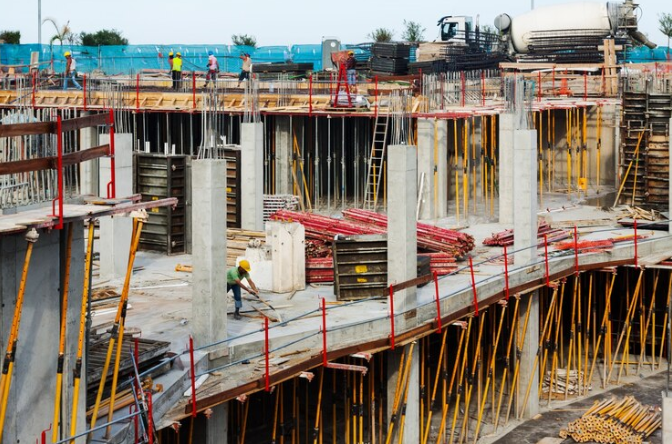
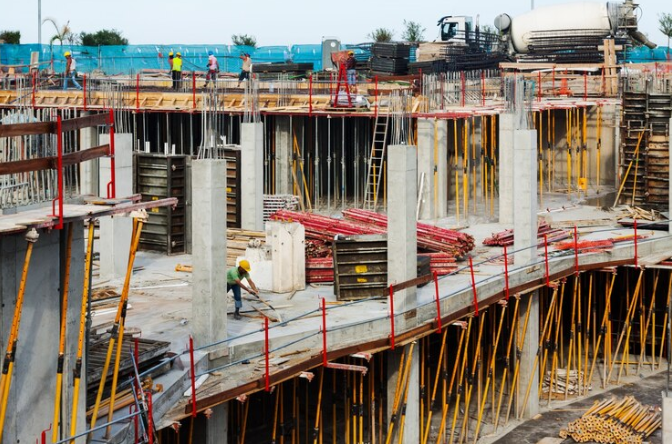
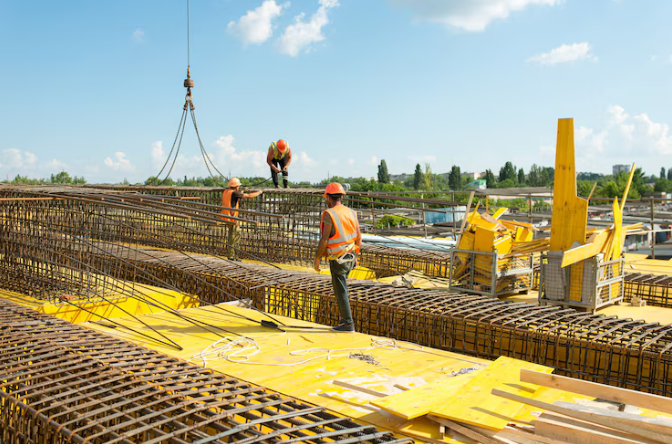
- Site Observations and Meetings: The architect makes regular site visits to monitor progress, answer contractor questions, and verify work is proceeding according to the plans and specifications.
- Interpreting the Design: They act as the intermediary between you and the contractor, clarifying design intent and resolving unforeseen field conditions.
- Reviewing Payments: They can certify payments to the contractor based on completed work, ensuring you pay for what has been correctly installed.
- Final Inspection and Snagging: At project completion, the architect conducts a final inspection to create a “punch list” of items to be corrected before final handover.
The Tangible Benefits of Hiring a Residential Architect
- Increased Property Value: Professionally designed homes often have higher resale value due to superior functionality, flow, and aesthetic appeal.
- Cost Avoidance: Good design avoids costly mistakes and change orders during construction. Their value engineering can also save money on materials and systems.
- Stress Reduction: They manage complex technical and regulatory challenges, allowing you to enjoy the creative process.
- A Home Truly Tailored to You: The result is not a generic house, but a unique ugandan home design architect that is a direct reflection of your family’s identity and needs.
More Than a Service, A Partnership
The role of a residential architect in Uganda is one of deep partnership and professional stewardship. They are the keeper of your vision, ensuring that every decision—from the orientation of the living room to the detail of a window sill—contributes to a cohesive, beautiful, and enduring home. By investing in an architect’s comprehensive services, you invest in the quality, joy, and long-term satisfaction of your most personal space. It is a decision that pays dividends every single day you live in your perfectly tailored home.