Categories
Uncategorized

Real Estate Company in Uganda: Your Trusted Partner in Property Investment

The real estate sector in Uganda is booming, offering lucrative opportunities for home buyers, investors, and businesses. Whether you’re looking for a dream home, rental property, commercial space, or land investment, partnering with a reliable real estate company in Uganda ensures you get the best deals and professional guidance.

With rising demand for affordable housing, luxury properties, and commercial developments, Uganda’s real estate industry is evolving. This guide explores property trends, services, investment opportunities, and how to choose the best real estate company in Uganda for your needs.


Why Work with a Professional Real Estate Company in Uganda?

A licensed real estate agency ensures:

  • Secure Transactions – Avoid fraud and legal issues with verified property deals.
  • Professional Guidance – Get expert advice on buying, selling, or renting properties.
  • Market Insights – Understand trends and property values for informed decisions.
  • Legal Compliance – Ensure all documents, permits, and land titles are legitimate.
  • Hassle-Free Process – Save time and effort with property search and paperwork handled.

Whether you’re a first-time buyer, investor, or business owner, a trusted real estate company in Uganda guarantees smooth and successful transactions.
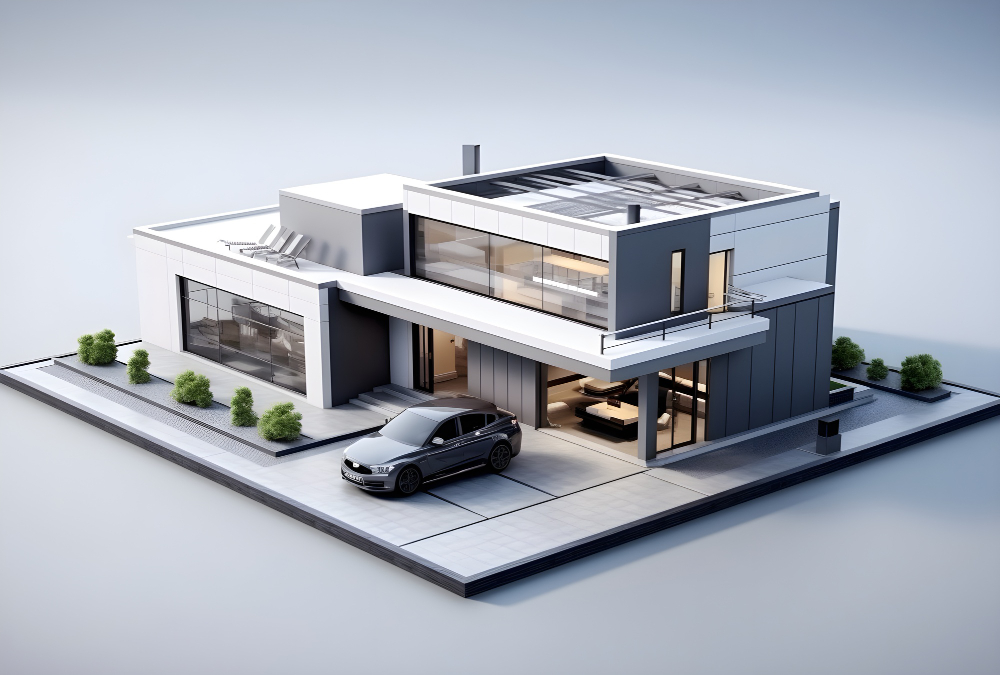
Real Estate Company in Uganda

Services Offered by a Real Estate Company in Uganda

1. Property Buying & Selling

Real estate companies assist clients in purchasing and selling various properties:

  • Residential Homes – Bungalows, mansions, townhouses, and apartments.
  • Commercial Properties – Office spaces, warehouses, and retail buildings.
  • Land Sales & Acquisitions – Prime plots, farmland, and industrial land.

2. Rental & Leasing Services

Looking for a rental property? Top real estate agencies offer:

  • Apartments & Condos for Rent – Fully furnished or unfurnished units.
  • Office & Retail Space Leasing – Ideal for startups and established businesses.
  • Luxury Villas & Short-Stay Rentals – Premium accommodation for tourists and executives.

3. Property Management

For landlords and property investors, real estate companies provide:

  • Tenant Screening & Lease Agreements – Ensuring responsible tenants.
  • Rent Collection & Financial Management – Handling payments and expenses.
  • Property Maintenance & Repairs – Keeping properties in top condition.

4. Real Estate Investment Consulting

For investors, professional firms offer:

  • Market Analysis & ROI Calculations – Evaluating profitable properties.
  • Real Estate Development – Assisting in project planning and execution.
  • Commercial & Residential Project Feasibility Studies – Risk assessment for large developments.

5. Land Title Verification & Legal Assistance

Avoid land fraud by working with agencies that provide:

  • Land Title Searches – Ensuring authenticity before purchase.
  • Transfer & Registration Services – Legal processing of ownership documents.
  • Real Estate Dispute Resolution – Legal support for property conflicts.

Real Estate Market Trends in Uganda

1. Growing Demand for Affordable Housing

With a rising middle class and urban migration, the need for affordable homes is increasing, particularly in areas like Wakiso, Mukono, and Entebbe.

2. Expansion of Luxury & High-End Properties

Kampala’s prime areas such as Kololo, Naguru, and Muyenga are seeing growth in high-end apartments, gated communities, and luxury villas.

3. Commercial Real Estate Growth

Uganda’s business sector is expanding, driving demand for:

  • Modern office spaces in Kampala, Namanve, and Jinja.
  • Retail malls and mixed-use developments.
  • Industrial parks and warehousing facilities.

4. Investment in Land & Suburban Developments

Many investors are purchasing land in fast-growing areas like Nansana, Gayaza, Kira, and Busega for future development.

5. Rise of Eco-Friendly & Smart Homes

New trends include solar-powered homes, smart security systems, and energy-efficient buildings, making properties more sustainable and desirable.
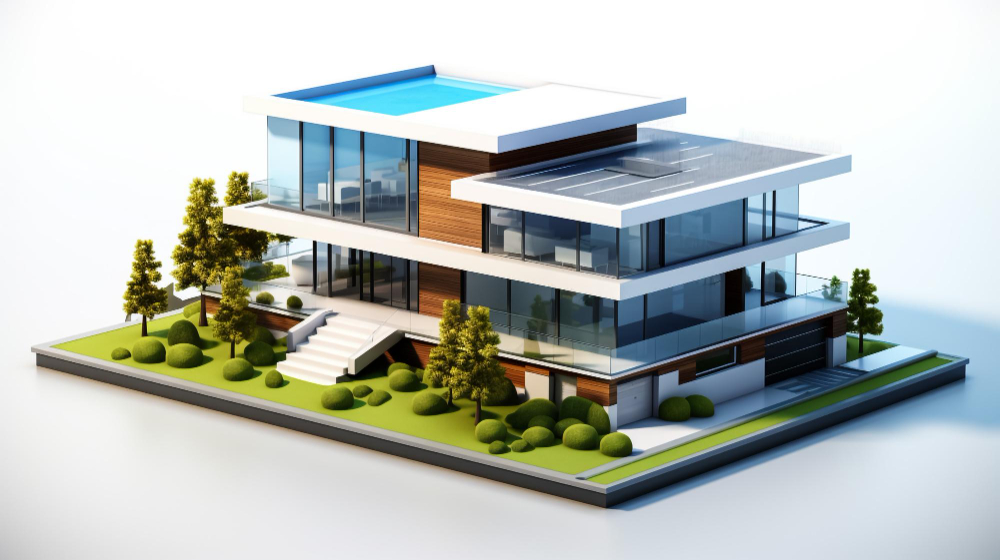
Real Estate Company in Uganda

How to Choose the Best Real Estate Company in Uganda

1. Check Licensing & Registration

Ensure the company is registered with:

2. Experience & Reputation

Look for agencies with a proven track record in the industry. Read client reviews, testimonials, and past project portfolios.

3. Range of Services

A good real estate company offers buying, selling, rental, and property management services under one roof.

4. Transparency & Legal Compliance

Ensure they provide:

  • Genuine land titles and legal documents.
  • Clear pricing and no hidden fees.
  • Honest market valuations.

5. Customer Support & Professionalism

Choose a company that offers excellent communication, reliable customer service, and expert consultation.

At Precision Group, we provide professional real estate services in Uganda, ensuring secure, transparent, and hassle-free property transactions. Contact us today to find your dream home or investment!


FAQs

What is the cost of buying land in Uganda?
Land prices vary by location. In urban areas like Kampala, plots range from UGX 100M – 500M, while in suburban areas, they range from UGX 20M – 100M.

Is it safe to buy property in Uganda as a foreigner?
Yes, but foreign investors cannot own freehold land—they must lease it for 49 or 99 years, as per Ugandan land laws.

What are the best areas to invest in real estate in Uganda?
Top investment locations include:

  • Residential: Kira, Naalya, Lubowa, and Munyonyo.
  • Commercial: Kampala CBD, Namanve, and Jinja.
  • Land Investment: Wakiso, Mukono, and Buikwe.

How do I verify land titles in Uganda?
Visit the Ministry of Lands, Housing & Urban Development to conduct a title search and ensure authenticity.

Can a real estate company help with rental property management?
Yes! Professional property management services cover tenant screening, rent collection, repairs, and maintenance.


Conclusion

Uganda’s real estate industry is thriving, offering incredible opportunities for homebuyers, investors, and businesses. Whether you need a family home, an investment property, commercial space, or land, working with a trusted real estate company in Uganda ensures a safe, profitable, and hassle-free experience.
Categories
Uncategorized

Construction Services in Uganda: Building Excellence for a Better Future

Uganda’s construction industry is growing rapidly, with increasing demand for residential, commercial, and infrastructure projects. Whether you’re looking to build a home, renovate an office, or develop large-scale infrastructure, reliable construction services in Uganda are essential for success.

From architectural planning and site preparation to structural engineering and finishing, professional contractors ensure that projects are completed on time, within budget, and to the highest standards. This guide explores Uganda’s construction landscape, services, challenges, trends, and how to choose the best construction company for your needs.


Why Choose Professional Construction Services in Uganda?

Hiring experienced construction professionals ensures:

  • Quality Workmanship – Skilled builders and engineers deliver durable and safe structures.
  • Compliance with Regulations – Ensures your project meets Uganda’s building codes and laws.
  • Cost Efficiency – Proper budgeting and resource management minimize expenses.
  • Timely Completion – Reliable contractors complete projects within agreed timelines.
  • Safety & Sustainability – Use of eco-friendly materials and safety protocols for long-term benefits.

Whether it’s a simple renovation or a multi-million-dollar commercial project, expert construction services guarantee efficiency, safety, and high-quality results.

Talk to an expert


Types of Construction Services in Uganda

1. Residential Construction

Home construction in Uganda includes:

  • Bungalow & Mansion Construction – Custom homes designed to match your style and budget.
  • Apartment & Condominium Development – High-rise and multi-family housing projects.
  • Home Renovations & Remodeling – Upgrading kitchens, bathrooms, and living spaces.

2. Commercial Construction

Businesses require well-structured buildings for efficiency and branding. Services include:

  • Office Buildings – Custom-built office spaces with modern designs.
  • Retail Stores & Shopping Malls – Spacious, attractive shopping centers.
  • Hotels & Restaurants – Elegant hospitality buildings with high-end finishes.

3. Industrial Construction

Uganda’s industrial sector is expanding, requiring specialized construction services for:

  • Warehouses & Factories – Large-scale manufacturing and storage facilities.
  • Agricultural Structures – Silos, barns, and processing plants.
  • Power & Energy Facilities – Hydroelectric, solar, and industrial plants.
Construction Services in Uganda

4. Infrastructure & Civil Engineering

Infrastructure is the backbone of Uganda’s economy. Civil engineering services include:

  • Roads & Bridges – Construction of highways, flyovers, and rural roads.
  • Water & Drainage Systems – Boreholes, sewage treatment plants, and stormwater management.
  • Public Utilities & Government Buildings – Schools, hospitals, and civic centers.

5. Interior & Exterior Finishing

A project isn’t complete without professional finishing services:

  • Painting & Tiling – High-quality finishes for aesthetic appeal.
  • Gypsum Ceilings & Partitions – Elegant designs for offices and homes.
  • Landscaping & Outdoor Structures – Gardens, walkways, and fencing solutions.
Construction Services in Uganda

Construction Materials & Technologies in Uganda

1. Traditional vs. Modern Building Materials

Ugandan builders use a mix of local and imported materials for quality construction:

  • Bricks & Concrete Blocks – Affordable and durable options for walls and foundations.
  • Timber & Bamboo – Used for roofing, doors, and furniture.
  • Glass & Aluminum – Ideal for commercial buildings with modern aesthetics.

2. Sustainable & Eco-Friendly Construction

With rising environmental concerns, many construction companies in Uganda are adopting sustainable building practices:

  • Green Building Materials – Recycled steel, solar panels, and eco-friendly insulation.
  • Energy-Efficient Designs – Buildings with natural lighting and ventilation.
  • Water Conservation – Rainwater harvesting systems for homes and businesses.

3. Smart Construction Technologies

The construction industry in Uganda is evolving with modern technology:

  • 3D Design & Building Information Modeling (BIM) – Digital planning for precise execution.
  • Prefabricated & Modular Buildings – Faster and cost-effective construction methods.
  • Smart Home Features – Integration of security systems, lighting, and automation.

Challenges Facing the Construction Industry in Uganda

1. High Cost of Building Materials

The price of construction materials, especially imported ones like steel and cement, is rising, increasing project costs.

2. Unregulated Contractors

Many unlicensed builders operate without proper skills and knowledge, leading to poor-quality structures.

3. Land Acquisition Issues

Disputes over land ownership and delayed government approvals affect project timelines.

4. Climate Change & Environmental Risks

Flooding, unpredictable weather, and deforestation impact construction projects, requiring resilient building solutions.

5. Skilled Labor Shortage

Although Uganda has many construction workers, there is a need for more highly trained engineers, architects, and technicians.


How to Choose the Best Construction Company in Uganda

Selecting a reliable construction service provider ensures quality, affordability, and efficiency. Consider these factors:

1. Experience & Reputation

Check the company’s portfolio and previous projects to ensure they have expertise in your type of construction.

2. Licenses & Certifications

Ensure the contractor is registered with:

  • National Building Review Board (NBRB)
  • Uganda National Bureau of Standards (UNBS)
  • Uganda Institute of Professional Engineers (UIPE)

3. Quality of Materials & Workmanship

Inspect past projects to assess the durability and finishing quality of their constructions.

4. Project Timeline & Budget

Reliable companies offer transparent pricing and clear timelines to complete your project efficiently.

5. Customer Reviews & Testimonials

Read Google reviews, social media feedback, and testimonials to gauge client satisfaction.

6. After-Sales Support & Warranty

Some companies offer warranty on structural integrity and maintenance services for long-term reliability.

At Precision Group, we provide top-tier construction services in Uganda, ensuring quality, efficiency, and innovation in every project. Contact us today for professional building solutions!


FAQs

What are the costs of construction services in Uganda?
Costs vary based on project size, materials, and labor.

How long does a construction project take in Uganda?
Timelines depend on the project type.

  • Homes: 6–12 months
  • Commercial buildings: 1–3 years
  • Infrastructure projects: 2+ years

Do construction companies in Uganda offer design and planning services?
Yes! Many offer architectural designs, feasibility studies, and project management to ensure a smooth building process.

What are the most common construction materials used in Uganda?
Bricks, concrete, steel, wood, and eco-friendly materials like bamboo and recycled metals are widely used.

How can I ensure my construction project meets Ugandan building regulations?
Work with registered contractors, get local authority approvals, and follow National Building Regulations for safety compliance.


Conclusion

Uganda’s construction industry is growing, with opportunities for homeowners, businesses, and investors to build quality structures. Whether you need residential, commercial, or infrastructure development, professional construction services in Uganda ensure success.

If you’re looking for a trusted construction company in Uganda, Precision Group is here to provide expert solutions tailored to your needs. Contact us today and build with confidence!

Categories
Uncategorized

Interior Designing in Uganda: Transforming Spaces with Elegance & Functionality

Interior designing in Uganda is evolving rapidly, blending cultural aesthetics with modern styles to create elegant, comfortable, and functional spaces. Whether designing a luxury home, a cozy apartment, an office, or a commercial space, Ugandan interior designers are incorporating innovative trends, sustainable materials, and personalized designs to transform interiors.

If you’re looking for professional interior designing services in Uganda, this article will provide expert insights into the latest trends, materials, techniques, and how to choose the best interior designers to bring your vision to life.


Why Interior Designing in Uganda Matters

Interior design is more than just decoration; it’s about enhancing functionality, aesthetics, and comfort within a space. Whether it’s a residential home, office, hotel, or retail store, a well-designed interior improves:

  • Comfort and Functionality – Thoughtful layouts and furniture choices create livable, efficient spaces.
  • Aesthetic Appeal – A beautiful space enhances mood, productivity, and relaxation.
  • Property Value – Professionally designed interiors increase real estate value.
  • Cultural and Personal Expression – Interior design allows you to showcase your unique style, preferences, and heritage.

With Uganda’s growing real estate sector, investing in quality interior design services can significantly enhance any space, making it more inviting and stylish.

Interior Designing in Uganda

Click here to talk to an expert


Latest Trends in Interior Designing in Uganda

Modern Minimalism

Minimalist design focuses on simplicity, clean lines, and functional spaces. This style is gaining popularity in Uganda, especially in urban areas where space optimization is crucial.

  • Neutral color palettes like whites, greys, and beiges.
  • Multi-functional furniture to maximize space.
  • Decluttered spaces with a focus on open designs.

Afro-Modern Fusion

Many Ugandan interior designers are blending traditional African elements with modern aesthetics.

  • Use of local crafts, woven baskets, and handmade furniture.
  • Natural textures like wood, clay, and stone.
  • Warm color tones inspired by Uganda’s landscapes.

Eco-Friendly & Sustainable Designs

With the rise of sustainability, more Ugandans are choosing eco-friendly interior design solutions:

  • Bamboo, reclaimed wood, and recycled materials for furniture and décor.
  • Energy-efficient lighting (LED bulbs, solar-powered lights).
  • Indoor plants and green walls to improve air quality.

Smart Home Integration

Technology is transforming interior designing in Uganda. Many homeowners and businesses are adopting smart home features:

  • Automated lighting and climate control systems.
  • Smart security systems and voice-activated assistants.
  • Wireless home entertainment systems.

Luxury Interior Design

For high-end residences and commercial spaces, luxury interior design is in demand. This style includes:

  • Elegant chandeliers and statement lighting fixtures.
  • Premium furniture pieces with imported materials.
  • Bespoke décor, marble floors, and gold or metallic finishes.

Key Elements of Interior Designing in Uganda

1. Space Planning

Space planning ensures efficient use of available space while maintaining comfort and accessibility. Professional designers focus on:

  • Optimizing layouts for better functionality.
  • Creating open, breathable environments.
  • Maximizing natural light and airflow.

2. Color Psychology & Selection

Color impacts mood and ambiance. Popular choices include:

  • Earthy tones (brown, beige, terracotta) for a warm feel.
  • Cool tones (blue, green) for a calm and refreshing effect.
  • Bold accents (gold, deep red) for a luxurious touch.

3. Furniture Selection & Arrangement

Furniture is a crucial aspect of interior design. The right furniture can enhance comfort and style. Consider:

  • Locally crafted furniture made from mahogany, teak, or bamboo.
  • Space-saving furniture for small apartments and offices.
  • Statement pieces like unique coffee tables, artistic chairs, and wall-mounted shelves.

4. Lighting Design

Lighting plays a significant role in setting the mood and functionality of a space. Options include:

  • Ambient lighting for general illumination.
  • Task lighting (study lamps, kitchen under-cabinet lights).
  • Accent lighting (spotlights for artwork, LED strips for ceilings).

5. Wall & Ceiling Treatments

Adding texture and personality to walls and ceilings enhances a room’s appeal.

  • Wallpaper and murals for creative expression.
  • Gypsum ceilings with LED lighting for a modern touch.
  • Wall paneling for depth and elegance.

Interior Design for Different Spaces in Uganda

Residential Interior Design

Ugandan homes are being transformed with modern and traditional interior elements. Key areas include:

  • Living Rooms – Comfortable sofas, stylish coffee tables, and TV unit designs.
  • Kitchens – Modular kitchen setups, granite countertops, and modern cabinets.
  • Bedrooms – Cozy bedding, well-lit spaces, and built-in wardrobes.

Office & Corporate Interior Design

Uganda’s business sector is growing, leading to a demand for ergonomic, modern, and stylish office spaces:

  • Open-plan workspaces with collaborative areas.
  • Luxury boardrooms with state-of-the-art furnishings.
  • Break rooms and lounge areas for employee wellness.

Hotel & Hospitality Interior Design

Hotels, lodges, and resorts in Uganda are embracing luxury and comfort in their interior designs:

  • Boutique hotel aesthetics with Afro-centric elements.
  • Spa and wellness spaces with serene, minimalistic designs.
  • Lavish dining areas with high-end furniture and mood lighting.

Retail & Commercial Interior Design

For businesses, a well-designed retail space attracts customers and enhances the shopping experience.

  • Boutique stores with elegant display racks and proper lighting.
  • Restaurants and cafés with cozy seating and artistic décor.
  • Salons and spas with chic, modern interiors.
Interior Designing in Uganda

How to Choose the Best Interior Designing Service in Uganda

If you’re looking for a professional interior designer in Uganda, consider these factors:

  • Portfolio and Experience – Review past projects to gauge expertise.
  • Client Reviews and Testimonials – Check feedback from previous clients.
  • Budget and Pricing – Get quotes and compare pricing for affordability.
  • Customization Options – Ensure the designer can tailor the design to your needs.

At Precision Group, we specialize in transforming spaces with high-quality residential, commercial, and luxury interior design services in Uganda. Contact us today to create your dream space!


FAQs

What is the cost of interior designing in Uganda?
Interior design costs vary based on the project size, materials, and customization. Contact a professional designer for a personalized quote.

How long does an interior design project take?
Project timelines depend on complexity, but most take 4 to 12 weeks for completion.

Can I get budget-friendly interior designing services in Uganda?
Yes! Many designers offer affordable solutions using locally sourced materials without compromising quality.

What are the best materials for interior design in Uganda?
Common materials include mahogany wood, bamboo, ceramic tiles, granite countertops, and locally made fabrics.

Do you offer custom interior designs?
Yes! At Precision Group, we tailor interior designs to match your style, needs, and budget.


Conclusion

Interior designing in Uganda is evolving, with a blend of modern trends, cultural influences, and sustainable practices. Whether you’re looking for a luxurious transformation or a budget-friendly renovation, Uganda’s interior designers are equipped to bring your vision to life.

If you’re ready to elevate your space, contact us for expert interior design services in Uganda!

Categories
Uncategorized

Architecture Design in Uganda: A Blend of Tradition and Innovation

Uganda’s architectural landscape is a fascinating blend of tradition, culture, and modern innovation. From the grass-thatched huts of ancient times to the towering skyscrapers of Kampala, architecture design in Uganda reflects the country’s evolving history, technological advancements, and environmental consciousness. With a growing focus on sustainable and eco-friendly designs, Uganda’s architects are redefining urban and rural spaces to meet contemporary needs while preserving cultural heritage.

This article explores the evolution, influences, challenges, and future of architecture design in Uganda. Whether you are an architect, real estate investor, or simply an admirer of beautiful spaces, this comprehensive guide will give you insight into Uganda’s dynamic architectural scene.


The Evolution of Architecture Design in Uganda

Pre-Colonial Architecture

Before the advent of colonial rule, Uganda’s architectural structures were primarily built using locally available materials like reeds, clay, and grass. Traditional homesteads, known as “manyatta” in some regions, were round huts with conical thatched roofs. These structures were not only functional but also adapted to the local climate, offering natural ventilation and protection from heavy rains.

The Buganda Kingdom, one of the most powerful traditional entities in Uganda, showcased remarkable architectural prowess with its Kibuga (royal capital). The Kasubi Tombs, a UNESCO World Heritage Site, stand as a testament to pre-colonial architectural ingenuity.

Architecture Design in Uganda

Colonial Influence on Ugandan Architecture

The arrival of British colonialists in the late 19th century brought a new architectural style, heavily influenced by European designs. Colonial administrators introduced brick and stone structures, with large verandas and high ceilings to suit Uganda’s warm climate as per history

Religious buildings such as Namirembe Cathedral and Rubaga Cathedral emerged, incorporating Gothic and Romanesque styles. Administrative buildings like the Parliament of Uganda and the State House were also constructed during this period.

Post-Independence and Modernization

After Uganda gained independence in 1962, a wave of modernization swept through its architecture. The country witnessed the rise of concrete, glass, and steel structures, particularly in urban centers. Kampala became a hub for high-rise buildings, malls, and contemporary housing estates.

However, in recent years, there has been a growing movement to blend modern designs with traditional Ugandan aesthetics. Architects are increasingly incorporating indigenous materials and sustainable building techniques to create eco-friendly and culturally relevant structures.

Click Here to talk to an expert in Architecture Design in


Key Influences on Architecture Design in Uganda

Climate and Environment

Uganda’s tropical climate greatly influences architectural designs. Buildings are designed with large windows, high ceilings, and wide verandas to enhance natural ventilation and reduce heat buildup. The use of solar panels, rainwater harvesting systems, and green roofs is becoming increasingly popular.

Cultural Identity and Heritage

Uganda’s diverse ethnic groups have unique architectural styles. The Baganda’s royal enclosures, the Bunyoro’s circular huts, and the Karimojong’s manyattas are distinct representations of cultural heritage. Modern architects are drawing inspiration from these traditional designs to create structures that reflect Uganda’s identity.

Economic Factors

The cost of construction materials and availability of skilled labor impact architecture design in Uganda. While high-end developments use imported materials like marble and glass, many builders opt for locally sourced bricks, timber, and bamboo to reduce costs.

Government Policies and Urban Planning

Uganda’s government plays a crucial role in shaping the architectural landscape through urban planning regulations and building codes. The introduction of the Physical Planning Act aims to ensure sustainable and organized urban development.


Sustainable and Eco-Friendly Architecture in Uganda

With growing environmental concerns, Uganda’s architectural sector is shifting towards sustainable and green building practices. Some of the key trends include:

  • Use of Eco-Friendly Materials – Bamboo, mud bricks, and recycled materials are being used to create sustainable structures.
  • Energy-Efficient Designs – Solar-powered buildings and passive cooling techniques reduce reliance on artificial energy sources.
  • Water Conservation Strategies – Rainwater harvesting and wastewater recycling systems are integrated into modern homes and offices.
  • Vertical Gardens and Green Spaces – Urban developments now include green roofs and walls to enhance air quality and aesthetic appeal.

A notable example of sustainable architecture in Uganda is the Bulindo Eco Village, which features eco-friendly homes designed to minimize carbon footprints.


Challenges Facing Architecture Design in Uganda

Lack of Skilled Labor

Despite a growing construction industry, Uganda faces a shortage of highly trained architects, engineers, and craftsmen. Many skilled professionals seek opportunities abroad, leaving a gap in expertise.

High Cost of Materials

Imported construction materials can be expensive, making it difficult for many Ugandans to afford modern homes. Efforts are being made to promote local materials as viable alternatives.

Rapid Urbanization and Overpopulation

Kampala and other major cities are experiencing uncontrolled urban expansion, leading to congestion and inadequate infrastructure. There is an urgent need for better urban planning and investment in affordable housing.

Climate Change and Environmental Concerns

The impact of climate change poses a threat to Uganda’s architecture. Rising temperatures and unpredictable rainfall patterns require innovative solutions to make buildings more resilient to extreme weather.


Future Trends in Architecture Design in Uganda

Smart and Digital Architecture

The integration of smart technology in buildings is gaining momentum. Features like automated lighting, smart security systems, and energy-efficient appliances are transforming residential and commercial properties.

Affordable Housing Innovations

With Uganda’s population growing rapidly, the need for affordable housing is more pressing than ever. Prefabricated housing, modular designs, and community-driven housing projects are expected to bridge the housing gap.

Mixed-Use Developments

The future of architecture design in Uganda lies in multi-functional spaces that combine residential, commercial, and recreational areas within a single development. This approach optimizes land use and enhances convenience.

Click Here to talk to an expert in Architecture Design in

Revival of Traditional Architecture Design in Uganda

More architects are recognizing the value of traditional Ugandan designs. The incorporation of thatched roofs, natural ventilation systems, and communal courtyards is expected to make a comeback in modern urban planning.

Architecture Design in Uganda

FAQs

What materials are commonly used in architecture design in Uganda?
Traditional materials include mud bricks, wood, and thatch, while modern constructions use cement, steel, and glass. Sustainable architecture incorporates bamboo and recycled materials.

How is Uganda embracing green architecture?
Uganda is promoting eco-friendly designs, including solar energy, rainwater harvesting, and vertical gardens to reduce environmental impact.

What are the major architectural landmarks in Uganda?
Some iconic structures include Kasubi Tombs, Uganda National Mosque, Uganda Martyrs Shrine, and the Pearl of Africa Hotel.

How can one become an architect in Uganda?
To become an architect, one must complete a degree in architecture, undergo professional training, and register with the Architects Registration Board of Uganda.

What role does the government play in Uganda’s architecture?
The Ugandan government regulates construction through urban planning laws, building codes, and sustainability initiatives to ensure safe and organized development.

Is architecture design in Uganda influenced by global trends?
Yes, Uganda’s architecture is influenced by global trends, including minimalist designs, smart technology, and sustainable construction while maintaining local cultural elements.

Click Here to talk to an expert in Architecture Design in


Conclusion

Architecture design in Uganda is at an exciting crossroads, balancing modern innovation with cultural heritage. As urbanization continues, architects are finding creative ways to develop sustainable, functional, and aesthetically pleasing structures that cater to both urban and rural communities.

Uganda’s architectural future looks promising, with a shift towards eco-friendly designs, smart buildings, and culturally inspired structures. By embracing both tradition and innovation, Uganda is shaping an architectural identity that is uniquely its own.


Categories
Uncategorized

Understanding Building Codes and Regulations in Uganda: A Complete Guide

Understanding Building Codes and Regulations plays a critical role in ensuring safety, quality, and sustainability in Uganda’s construction industry. These laws establish the minimum standards for structural integrity, fire safety, sanitation, and environmental protection. Adhering to these regulations ensures that buildings are safe for occupants, comply with urban planning policies, and minimize environmental impact.

Non-compliance with building codes can result in legal penalties, delays, or even demolition orders. For developers, contractors, and property owners, understanding and following these regulations is essential to avoid costly mistakes and ensure project success.


The Legal Framework for Building Codes in Uganda

Uganda’s construction sector operates under several key legal frameworks that govern building codes and regulations. These include:

  • The Building Control Act, 2013: Establishes standards for design, construction, maintenance, and demolition of buildings to ensure safety and functionality.
  • The National Physical Planning Act, 2010: Guides land use, zoning, and urban development to prevent haphazard construction.
  • The Public Health Act: Ensures that buildings meet sanitation and hygiene standards for occupants.
  • The National Environment Act: Regulates environmental protection measures in construction projects.

These laws collectively define the responsibilities of architects, engineers, contractors, and property owners, ensuring that all projects align with national development goals.


The Role of the National Building Review Board (NBRB)

The National Building Review Board (NBRB) is the primary authority overseeing the implementation of building codes in Uganda. The board ensures compliance with the Building Control Act and coordinates with local government authorities to regulate construction activities.

Key responsibilities of the NBRB include:

  • Reviewing and approving architectural and structural plans.
  • Conducting inspections during and after construction.
  • Issuing permits and certificates for compliant structures.
  • Enforcing penalties for non-compliance.

Developers and contractors must collaborate with the NBRB at various stages of the project to ensure adherence to regulations.(Understanding Building Codes and Regulations)


Key Requirements Under Uganda’s Building Codes

To comply with building codes in Uganda, construction projects must meet specific requirements:

  • Structural Integrity: Buildings must be designed to withstand natural forces such as wind, earthquakes, and soil settlement.
  • Fire Safety: Incorporate fire-resistant materials, emergency exits, and fire detection systems.
  • Sanitation: Provide adequate water supply, drainage systems, and waste management facilities.
  • Accessibility: Ensure buildings are accessible to people with disabilities, including ramps and elevators where applicable.
  • Environmental Considerations: Minimize ecological impact through sustainable practices such as rainwater harvesting and energy-efficient designs.

Obtaining Building Permits and Approvals

Before starting construction, developers must obtain the necessary permits to ensure compliance with building codes and regulations. The process typically involves the following steps:

  1. Planning Permission: Submit a detailed proposal to the local government authority, including site plans, zoning compliance, and environmental assessments.
  2. Construction Permit: Provide architectural and structural drawings for review by the NBRB or local council.
  3. Site Inspections: Authorities conduct periodic inspections during construction to verify adherence to approved plans.
  4. Occupancy Permit: After project completion, a final inspection is conducted to certify that the building meets all regulatory requirements.

Environmental Impact Assessments (EIAs)

For large-scale or environmentally sensitive projects, an Environmental Impact Assessment (EIA) is mandatory. This assessment, overseen by the National Environment Management Authority (NEMA), evaluates the potential ecological effects of a project.

The EIA process involves:

  • Identifying potential environmental risks.
  • Proposing mitigation measures.
  • Obtaining an approval certificate from NEMA.

Incorporating EIA findings into the project design ensures compliance with environmental regulations and promotes sustainability.


Common Challenges in Following Building Codes

While building codes are essential, compliance in Uganda is often hindered by several challenges:

  • Bureaucratic Delays: Lengthy approval processes for permits and inspections can cause project delays.
  • High Compliance Costs: Fees for permits, inspections, and certifications can be prohibitive for small-scale developers.
  • Corruption and Bribery: Unethical practices within regulatory bodies can complicate compliance efforts.
  • Lack of Awareness: Many developers are unaware of specific building code requirements, leading to unintentional violations.

Addressing these challenges requires proactive engagement with regulatory authorities and adherence to transparent processes.(Understanding Building Codes and Regulations)


Best Practices for Ensuring Compliance

To navigate building codes and regulations effectively, developers and contractors should adopt the following best practices:

  1. Engage Certified Professionals: Work with licensed architects, engineers, and contractors to ensure plans meet regulatory standards.
  2. Early Planning: Start the permit application process early to avoid delays.
  3. Transparent Communication: Maintain clear communication with authorities to address concerns promptly.
  4. Regular Inspections: Conduct periodic self-inspections to ensure ongoing compliance during construction.
  5. Stay Informed: Keep up-to-date with changes in building laws and policies.

The Role of Technology in Compliance

Modern technology is making it easier to comply with building codes in Uganda. Tools such as Building Information Modeling (BIM) allow developers to create detailed 3D models of projects, ensuring that designs meet structural, safety, and environmental requirements.

Additionally, online permit application platforms are being introduced to streamline approval processes and reduce bureaucratic delays. Adopting these technologies enhances efficiency and accountability in construction projects.


Penalties for Non-Compliance

Failure to adhere to building codes and regulations can result in severe consequences, including:

  • Fines and penalties imposed by regulatory authorities.
  • Demolition of non-compliant structures.
  • Legal action and potential lawsuits from affected parties.

To avoid these outcomes, developers must prioritize compliance at every stage of the project, from planning to completion.


Understanding building codes and regulations in Uganda is crucial for successful construction projects. These laws ensure safety, sustainability, and alignment with national development goals. By adhering to the Building Control Act, collaborating with the NBRB, and incorporating sustainable practices, developers can avoid legal complications and deliver high-quality structures.

Proactive planning, engagement with certified professionals, and the use of modern technology make compliance more achievable. As Uganda’s construction sector continues to grow, following building codes will remain a key factor in creating a safe, sustainable, and well-organized built environment.(Understanding Building Codes and Regulations)

Categories
Uncategorized

Understanding Building Regulations and Permits for Architecture Projects in Uganda

Building regulations are essential for ensuring structural safety, environmental sustainability, and urban development in Uganda. They provide a legal framework that governs how buildings are designed, constructed, and maintained. Compliance ensures that structures are safe for occupants, environmentally responsible, and aligned with national development plans. Ignoring these regulations can result in severe consequences, including fines, demolition, and legal battles.(Understanding Building Regulations and Permits)

These rules also set standards for fire safety, sanitation, ventilation, and energy efficiency. Beyond mere compliance, adhering to building regulations helps foster investor confidence and promotes organized urban development.


Key Objectives of Building Regulations

The primary goal of building regulations in Uganda is to ensure safety and sustainability. They are designed to minimize risks associated with poor construction practices, including structural failures and environmental hazards. Another critical objective is to enforce urban planning laws, preventing haphazard development and overcrowding.

Additionally, building regulations emphasize the need for energy-efficient designs and proper waste disposal systems. They also prioritize public health and hygiene, ensuring that structures are safe and habitable for occupants.


The Legal Framework Governing Building Regulations

Uganda’s construction sector is regulated by several key laws, including the Building Control Act, 2013, the National Physical Planning Act, 2010, and the Public Health Act. These acts establish a clear framework for developers, architects, and engineers, defining their roles and responsibilities in construction projects.

The Building Control Act focuses on maintaining structural integrity and preventing unsafe construction practices. The National Physical Planning Act addresses land use, zoning, and environmental considerations, while the Public Health Act ensures that buildings meet hygiene and sanitation standards.


The Role of the National Building Review Board (NBRB)

The National Building Review Board (NBRB) is the primary body overseeing building regulations in Uganda. It ensures that construction projects comply with established standards and regulations. The NBRB is also responsible for reviewing and approving architectural and structural plans, conducting inspections, and issuing necessary permits.

Furthermore, the NBRB works closely with local government authorities to enforce compliance and address violations. Developers must collaborate with the NBRB throughout the construction lifecycle to avoid legal complications.


Local Government Authorities and Their Role in Permits

Local government authorities play a crucial role in issuing building permits and ensuring compliance with construction laws at the municipal and district levels. These authorities review building plans, inspect construction sites, and ensure that developments align with zoning laws and environmental standards.

Developers must obtain approvals from these authorities before commencing construction activities. Regular inspections are carried out during construction to ensure adherence to approved plans and building codes.


Understanding Planning Permits

A Planning Permit is one of the first approvals required before initiating any construction project. It ensures that the proposed development aligns with local zoning laws, land use policies, and urban planning guidelines. Developers must submit detailed site plans and architectural designs for assessment.

Without a planning permit, construction activities cannot legally commence. Securing this permit requires thorough documentation and compliance with zoning requirements.


The Significance of Construction Permits

A Construction Permit grants developers the legal authorization to begin building activities. It is issued after architectural and structural plans have been reviewed and approved by relevant authorities. Construction permits ensure that projects adhere to safety, environmental, and functional standards.

Developers must engage certified professionals, such as architects and structural engineers, to prepare the necessary documentation for permit approval. Failure to secure a construction permit can lead to fines, legal actions, or project shutdowns.(Understanding Building Regulations and Permits)


Occupancy Permits and Their Role in Compliance

An Occupancy Permit is issued after the successful completion of a construction project. It certifies that the building meets all safety, structural, and regulatory standards and is fit for human occupation. This permit is usually granted after a final inspection by regulatory authorities.

Obtaining an occupancy permit is a critical step before tenants or occupants can move into the building. Without it, property owners may face legal challenges and safety risks.


The Role of Environmental Impact Assessments (EIAs)

For large-scale or environmentally sensitive construction projects, an Environmental Impact Assessment (EIA) is mandatory. Conducted under the supervision of the National Environment Management Authority (NEMA), an EIA evaluates the potential environmental risks of a project.

The assessment considers factors such as air and water pollution, waste management, and biodiversity conservation. Based on the findings, developers are required to implement mitigation measures to minimize negative environmental impacts.


Fire Safety Compliance in Building Projects

Fire safety compliance is a crucial aspect of building regulations in Uganda. Developers must ensure that their buildings are equipped with fire detection and suppression systems, emergency exits, and evacuation plans.

The Fire Safety Compliance Certificate is issued after inspecting fire safety measures in a building. Adhering to fire safety protocols reduces the risk of accidents and ensures the safety of occupants.


The Permit Application Process Explained

The permit application process in Uganda involves several steps. Developers must begin with a pre-application consultation to understand zoning requirements and documentation needs. Next, certified professionals prepare and submit architectural and structural plans to the relevant authorities.

Authorities then conduct site inspections and review submitted documents. Upon approval, construction and planning permits are issued. Regular inspections continue throughout the construction phase, culminating in the issuance of an Occupancy Permit after final evaluation.


Common Challenges in Navigating Regulations

Navigating building regulations in Uganda is not without challenges. Bureaucratic delays often slow down the approval process, causing financial and logistical strain. Additionally, high compliance costs, including permit fees and professional consultation charges, can be prohibitive for smaller developers.

Corruption and bribery further complicate the approval process, leading to unethical practices and project delays. Many developers also lack adequate knowledge of regulatory requirements, resulting in unintentional violations and legal complications.


Best Practices for Compliance with Regulations

To ensure smooth project execution, developers should engage certified professionals, including architects, engineers, and legal advisors. Early planning and submission of accurate documentation can prevent unnecessary delays.

Maintaining transparency with regulatory authorities and staying informed about changes in building laws are also essential for compliance. Regular on-site inspections during construction help ensure adherence to approved plans and standards.(Understanding Building Regulations and Permits)


The Future of Building Regulations in Uganda

The future of building regulations in Uganda looks promising, with a focus on digital permit systems, sustainability, and smart compliance technologies. Online platforms for permit applications are expected to streamline the approval process, reducing bureaucracy and corruption.

Sustainability standards will become more stringent, emphasizing green building practices and energy efficiency. Additionally, smart compliance tools, including digital inspections and automated monitoring systems, will enhance transparency and accountability.

Understanding building regulations and permits for architecture projects in Uganda is essential for ensuring safety, legal compliance, and sustainability. Developers must follow the legal frameworks, obtain the necessary permits, and engage certified professionals to avoid costly mistakes.

While challenges persist, embracing best practices and staying informed about evolving regulations can lead to successful and compliant construction projects. As Uganda’s urban landscape continues to grow, strict adherence to building regulations will remain central to achieving organized and sustainable development.(Understanding Building Regulations and Permits)

Categories
Uncategorized

Top 10 Architectural Design Trends Shaping Uganda in 2024

Uganda’s architectural landscape is undergoing a transformative shift, driven by urbanization, technological advancements, and a growing emphasis on sustainability. Architects and developers are exploring innovative design approaches to create structures that are not only functional but also environmentally conscious and visually appealing. The year 2024 marks a significant period of growth and creativity, with a clear focus on balancing modernity with cultural authenticity.(Architectural Design Trends)

From smart buildings to green architecture, these trends reflect the changing needs of Uganda’s population and the desire for spaces that enhance quality of life. This article explores the top architectural design trends shaping Uganda in 2024 and highlights how these trends are redefining the built environment across the country.


Sustainable and Green Architecture

Sustainability remains at the forefront of architectural design trends in Uganda. In 2024, there is an increased focus on eco-friendly construction practices, energy-efficient designs, and the integration of green technologies. Architects are adopting materials such as recycled bricks, bamboo, and compressed earth blocks to reduce environmental impact.

Solar panels, rainwater harvesting systems, and natural ventilation are becoming standard features in residential and commercial projects. Additionally, green roofs and vertical gardens are being incorporated to improve air quality and enhance urban biodiversity. This trend aligns with global environmental goals and supports Uganda’s commitment to sustainable urban development.


Smart and Technology-Driven Buildings

Smart technology is revolutionizing architectural design in Uganda, with more buildings integrating automated systems for lighting, security, and energy management. In 2024, smart homes and commercial spaces equipped with Internet of Things (IoT) technology are becoming increasingly popular.

These systems allow occupants to control lighting, heating, and appliances through mobile devices, improving energy efficiency and convenience. Innovations such as motion sensors, automated irrigation for green spaces, and AI-powered climate control systems are also becoming standard in high-end projects.

This trend reflects a shift towards futuristic architecture where technology enhances not only functionality but also sustainability.


Affordable Housing Solutions

The demand for affordable housing continues to grow in Uganda, and 2024 sees a focus on cost-effective design without compromising quality. Architects are using innovative building techniques like prefabrication and modular construction to reduce costs and construction timelines.

Smaller, functional homes with open floor plans, multi-purpose spaces, and minimalistic designs are becoming more common. Additionally, developers are prioritizing locally sourced materials to further lower costs and promote community involvement.

This trend addresses Uganda’s housing deficit and offers practical solutions for middle- and low-income families seeking quality homes.


Biophilic Design and Nature Integration

Biophilic design—a concept that integrates natural elements into architectural spaces—has gained momentum in Uganda. In 2024, architects are prioritizing designs that foster a connection with nature, incorporating features such as green walls, large windows, natural lighting, and open-air courtyards.

This design approach not only enhances aesthetic appeal but also improves mental well-being, productivity, and indoor air quality. Biophilic architecture is particularly prominent in office spaces, hospitality projects, and luxury homes.

Uganda’s lush natural environment provides the perfect backdrop for this trend, allowing architects to blur the boundaries between indoor and outdoor spaces.


Minimalist and Functional Spaces

The minimalist design philosophy continues to dominate architectural trends in Uganda. Characterized by simplicity, clean lines, and functional layouts, minimalist architecture prioritizes practicality over excessive ornamentation.

In 2024, architects are focusing on creating clutter-free spaces with neutral color palettes, sustainable materials, and versatile furniture. This approach is particularly popular in urban apartments and compact residential spaces where efficient use of space is critical.

Minimalism not only reduces construction costs but also creates serene and elegant living environments, appealing to a growing segment of urban homeowners.


Adaptive Reuse of Buildings

Adaptive reuse, the practice of repurposing old buildings for new uses, is gaining traction in Uganda’s urban areas. In 2024, developers are transforming abandoned warehouses, colonial-era buildings, and industrial spaces into modern offices, hotels, and residential complexes.

This trend not only preserves architectural heritage but also reduces construction waste and resource consumption. Adaptive reuse projects often incorporate contemporary design elements while retaining the original charm of the structures.

It’s an environmentally friendly approach that breathes new life into historical buildings, contributing to both cultural preservation and urban renewal.


Mixed-Use Developments

The rise of mixed-use developments is redefining urban living and working spaces in Uganda. These projects combine residential, commercial, and recreational facilities within a single development, offering convenience and fostering community interaction.

In 2024, mixed-use buildings are designed with shared green spaces, retail hubs, and co-working areas, making them highly attractive to urban dwellers. These developments reduce the need for long commutes and contribute to sustainable urban growth.

Architects are focusing on creating self-sufficient spaces where people can live, work, and relax without leaving their immediate surroundings.


Innovative Roofing Designs

Roofing designs are becoming more creative and functional in Uganda’s architectural landscape. In 2024, architects are experimenting with flat roofs, green roofs, and solar panel-integrated designs to add both utility and visual appeal to structures.

Green roofs, in particular, are being used to improve thermal insulation, reduce stormwater runoff, and promote urban biodiversity. Flat roofs often serve as recreational spaces or outdoor lounges, maximizing the usability of every inch of the building.

This innovative approach to roofing is transforming how buildings interact with their environments and enhancing overall energy efficiency.


Cultural and Contextual Design Elements

Architectural projects in Uganda are increasingly embracing cultural influences and local traditions. In 2024, architects are blending modern design principles with indigenous architectural styles to create unique and culturally relevant structures.

Features such as traditional thatched roofs, wooden carvings, and clay brick facades are being integrated into contemporary designs. This approach not only preserves cultural identity but also creates spaces that resonate with the local community.

Contextual design ensures that architecture is not only functional but also tells a story about Uganda’s rich cultural heritage.


Focus on Energy-Efficient Building Materials

Energy efficiency is becoming a key consideration in Uganda’s construction sector. In 2024, the use of energy-efficient building materials such as insulated panels, energy-efficient glass, and recycled concrete is on the rise.

These materials help reduce energy consumption by improving thermal insulation and minimizing heat loss. Solar panels and rainwater harvesting systems are often integrated into building designs, further enhancing sustainability.

Energy-efficient construction practices are not just environmentally friendly—they also reduce long-term operational costs for property owners.


The architectural design trends shaping Uganda in 2024 reflect a strong commitment to sustainability, innovation, and cultural authenticity. From green architecture and smart technologies to adaptive reuse and biophilic design, these trends are transforming the way spaces are designed, built, and experienced.

As Uganda continues to grow and urbanize, architects, developers, and property owners must embrace these trends to create spaces that are not only functional but also environmentally responsible and visually stunning. The future of architecture in Uganda looks promising, with endless possibilities for innovation and sustainable development.

Categories
Uncategorized

Luxury Architectural Designs: Uganda’s High-End Construction Market

UganLuxury architectural designs have emerged as the epitome of sophistication, blending creativity, technology, and environmental consciousness into structures that go beyond mere functionality. In an era where architecture serves not just as shelter but as an expression of identity, luxury designs stand as symbols of status, sustainability, and superior craftsmanship. From bespoke residential homes to grand commercial spaces, the world of luxury architectural designs continues to set new benchmarks in the construction industry.

The Essence of Luxury Architectural Designs

Luxury architectural designs are not just about extravagant materials or opulent aesthetics—they represent a holistic approach to creating spaces that provide comfort, functionality, and visual appeal. These designs often merge advanced technology with sustainable practices, ensuring structures are not only visually stunning but also environmentally responsible.

Modern luxury architecture focuses on personalized designs tailored to clients’ tastes, innovative layouts, and integration of natural elements. Every detail, from the curvature of a staircase to the placement of a window, is meticulously planned to achieve architectural harmony.

Key Characteristics of Architectural Designs

Sustainability at the Core

Luxury architectural designs are increasingly incorporating eco-friendly principles. Solar panels, rainwater harvesting systems, and energy-efficient appliances are standard features in many high-end projects.

Smart Home Integration

Technology plays a critical role in modern luxury architecture. Smart homes equipped with automation systems for lighting, temperature control, and security offer unparalleled convenience and efficiency.

Attention to Detail

Every element of luxury architecture—from bespoke furniture to custom-built fixtures—reflects attention to detail. Unique materials, rare stones, and handcrafted finishes are often key features.

Indoor-Outdoor Harmony

Modern luxury designs emphasize seamless transitions between indoor and outdoor spaces. Features like infinity pools, outdoor kitchens, and rooftop gardens blur the lines between nature and architecture.

Popular Trends in Luxury Architectural Designs

Minimalist Luxury

Gone are the days when luxury equated to clutter and excess. Modern luxury architectural designs favor minimalism—clean lines, neutral color palettes, and spacious interiors define this style.

Biophilic Design

Biophilic design emphasizes incorporating natural elements into built spaces. From green walls to expansive glass windows that frame natural landscapes, this trend is redefining luxury living.

Sculptural and Artistic Elements

Luxury architecture often blurs the line between art and structure. Buildings with sculptural facades, asymmetrical designs, and statement features have become highly desirable.

Sustainable and Green Architecture

Sustainability is no longer optional in luxury architectural designs. Energy-efficient HVAC systems, water recycling technologies, and eco-friendly construction materials are integrated seamlessly into designs.

The Role of Technology in Luxury Architectural Designs

Smart Automation Systems

Home automation systems are no longer exclusive to science fiction. Luxury homes now feature systems that allow residents to control lighting, heating, and security through mobile devices.

Virtual and Augmented Reality in Design

Technology has revolutionized architectural planning. With Virtual Reality (VR) and Augmented Reality (AR), clients can visualize their future homes in detail before construction even begins.

Energy-Efficient Technologies

Technological advancements are driving energy-efficient designs. From motion-sensor lighting systems to solar power integration, technology ensures luxury structures are sustainable.

Luxury Architectural Designs in Residential Spaces

Exclusive Villas and Estates

Private estates and luxury villas are masterpieces of architectural brilliance. These spaces often include home theaters, wine cellars, gyms, and expansive outdoor entertainment areas.

Penthouses with a View

Luxury penthouses often serve as the crown jewels of high-rise buildings. These residences feature panoramic views, custom interiors, and exclusive access to high-end amenities.

Smart Luxury Apartments

Smart apartments equipped with advanced technologies and modern interiors are redefining urban luxury living. Residents enjoy the convenience of modern design combined with smart automation systems.

Commercial Luxury Architectural Designs

Iconic Corporate Spaces

Modern office buildings are no longer confined to dull and monotonous designs. Luxury architectural designs in commercial spaces prioritize functionality, aesthetics, and employee well-being.

High-End Retail Spaces

Luxury retail outlets are designed to offer customers an exclusive experience. These spaces often feature artistic interiors, mood lighting, and opulent layouts.

Luxury Hospitality Structures

From boutique hotels to sprawling resorts, the hospitality sector is a prime beneficiary of luxury architectural designs. Attention to detail, cultural themes, and guest-centric spaces define these establishments.

The Impact of Cultural Influences on Architectural Designs

Culture often plays a significant role in architectural expression. In many regions, luxury architectural designs incorporate traditional elements to pay homage to local heritage. From ornate wood carvings to region-specific color palettes, culture adds depth to modern luxury designs.

Architects are now blending global trends with regional aesthetics to create timeless designs that honor both innovation and tradition.

Challenges Facing Luxury Architectural Designs

High Construction Costs

Luxury architectural designs demand premium materials and skilled labor, leading to higher costs. Balancing budget constraints with design expectations is often a challenge.

Sustainability vs. Luxury Aesthetics

While sustainability is a priority, aligning eco-friendly solutions with opulent designs can sometimes create conflicts.

Regulatory Hurdles

Building regulations and permits can delay projects, especially in areas where policies are not adapted to modern luxury construction standards.

Future Trends in Luxury Architectural Designs

The future of these designs looks promising, with emerging trends emphasizing innovation and sustainability.

AI-Driven Design Processes

Artificial Intelligence (AI) is set to revolutionize architectural planning and construction, optimizing layouts, materials, and efficiency.

Net-Zero Energy Homes

The focus on sustainability will drive the creation of Net-Zero Energy homes that produce as much energy as they consume.

Personalized Design Experiences

Advancements in technology will allow clients to customize every aspect of their spaces, from design to construction.

The Global Influence on Architectural Designs

The designs are heavily influenced by global trends. The fusion of international design philosophies with local aesthetics creates unique spaces that appeal to a diverse clientele.

Global design elements, such as Scandinavian minimalism, Italian marble interiors, and Japanese Zen gardens, have found their place in modern luxury designs worldwide.

Luxury architectural designs are more than just opulent spaces—they are a testament to human ingenuity, artistic expression, and a commitment to sustainability. Whether it’s a sprawling estate overlooking a serene landscape or a high-rise penthouse with cutting-edge technology, luxury architectural designs continue to evolve, setting new standards for elegance and functionality.

As we step into the future, these designs will not only redefine luxury but also play a pivotal role in creating smarter, greener, and more harmonious living spaces.