In today’s world, building a home is about more than just four walls and a roof—it’s about creating a space that is healthy, efficient, and harmonious with its environment. For homeowners in Uganda, adopting sustainable building practices in Uganda is no longer a niche concept but a smart, forward-thinking approach to residential building in Uganda. It represents a commitment to reducing long-term operational costs, minimizing environmental impact, and enhancing indoor comfort and well-being. From leveraging Kampala’s abundant sunlight to choosing locally sourced materials, sustainable construction offers tangible benefits that last the lifetime of the home. This guide explores key sustainable building practices in Uganda that any homeowner or construction company in Kampala can integrate to create a modern, resilient, and cost-effective dwelling.
Why Sustainable Building is Essential in Uganda
The Ugandan context presents unique opportunities and challenges that make sustainable practices particularly valuable. The climate, availability of materials, and economic factors all play a role.
- Climate Responsiveness: Uganda’s tropical climate calls for designs that manage heat and light naturally. Sustainable homes stay cooler without over-reliance on expensive air conditioning.
- Energy Security: With occasional grid instability, incorporating renewable energy like solar power provides independence and reduces electricity bills.
- Resource Efficiency: Using local and recycled materials reduces the carbon footprint of transportation and supports the local economy.
- Long-Term Cost Savings: While some sustainable features may have higher upfront costs, they lead to significant savings on water, electricity, and maintenance over years, offering an excellent return on investment.
Core Sustainable Building Strategies for Ugandan Homes
1. Passive Solar Design and Intelligent Orientation
This is the cornerstone of sustainable design, using the sun’s path to naturally heat and cool the home at zero ongoing cost.
- Optimal Building Orientation: Positioning the house to minimize eastern and western wall exposure to the harsh sun reduces heat gain. The longest walls should ideally face north and south.
- Strategic Window Placement: Large, well-sealed windows on north/south facades allow for ample natural light in Ugandan home interiors without excessive heat. Use smaller windows on east/west sides.
- Shading Elements: Incorporating verandas, roof overhangs, pergolas, and strategically planted deciduous trees provides shade during the hottest parts of the day, especially over windows and outdoor living spaces.
2. High-Performance Building Envelope and Materials
The “envelope”—walls, roof, windows, and floor—is your home’s primary defense against the elements. A high-performance envelope is key to efficiency.
- Insulation: Using insulation in roofs and walls (with materials like polystyrene boards or natural fiber) is crucial. It keeps heat out during the day and retains comfortable temperatures at night, drastically cutting cooling needs.
- Thermal Mass Materials: Incorporating materials with high thermal mass, such as concrete floors or brick walls, inside the insulated envelope helps stabilize indoor temperatures by absorbing heat during the day and releasing it slowly at night.
- Energy-Efficient Windows: Double-glazed windows or films on single-pane glass reduce heat transfer and improve comfort. Proper sealing prevents air leaks.
3. Water Conservation and Management
With increasing pressure on water resources, managing every drop is a critical sustainable building practice in Uganda.
- Rainwater Harvesting Systems: Installing gutters and directing rainwater into storage tanks provides an excellent source for gardening, laundry, and flushing toilets. This can significantly reduce municipal water usage.
- Low-Flow Fixtures: Water-efficient taps, showerheads, and dual-flush toilets reduce consumption by 30-50% without sacrificing performance.
- Greywater Recycling: Systems that filter and reuse water from showers and sinks for irrigation further conserve precious potable water.
4. Renewable Energy Integration
Harnessing Uganda’s abundant renewable resources moves a home toward energy independence.
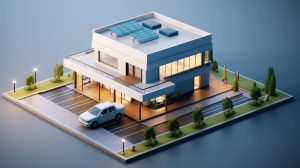
- Solar Photovoltaic (PV) Systems: Rooftop solar panels are the most accessible renewable energy source. They can power lighting, appliances, and even water heating, offering protection from rising electricity costs and grid outages.
- Solar Water Heating: A separate, simpler system that uses solar thermal collectors to heat water directly is highly efficient and can meet most of a household’s hot water needs.
Implementing Sustainability: A Practical Checklist
When planning your build or renovation with your construction company in Kampala, discuss integrating these practices:
- Site & Design: Conduct a site analysis for solar path and wind. Opt for a compact building shape to reduce material use and heat gain.
- Materials: Specify locally sourced, durable materials (e.g., certified timber, ISSBs). Consider recycled content for elements like countertops.
- Systems: Plan for solar PV and water heating. Design plumbing for rainwater harvesting and greywater reuse.
- Indoor Environment: Choose low-VOC (Volatile Organic Compound) paints and finishes to ensure good indoor air quality. Plan for cross-ventilation in all rooms.
The Role of Your Construction Partner
Successfully implementing these practices requires expertise. An experienced construction company in Kampala that understands sustainable building practices in Uganda is invaluable. They can:
- Accurately cost and source sustainable materials.
- Work with architects skilled in passive design.
- Properly install complex systems like insulation and solar panels to ensure they perform as intended.
Building a Legacy of Efficiency and Comfort
Adopting sustainable building practices in Uganda is a powerful decision that pays dividends for both the homeowner and the environment. It results in a home that is not only cheaper to run and more comfortable to live in but also more resilient and responsible. By focusing on intelligent design, a high-performance envelope, water stewardship, and renewable energy, you create a modern Ugandan home that is truly built for the future—a testament to smart living and respect for the beautiful context in which it stands. Your sustainable home becomes a personal sanctuary and a positive contribution to the community’s collective future.