Embarking on the journey of residential building in Uganda is an exciting venture, but it is often accompanied by one pressing question: “How much will it truly cost?” Whether you are constructing a bungalow in Entebbe, a townhouse in Kira, or a family home in Kampala, understanding the breakdown of costs is the first step toward a successful and financially sound project. Unlike purchasing a completed property, building your own home allows for complete customization but requires careful financial planning to avoid unexpected overruns. This guide provides a transparent and detailed overview of the primary cost factors involved in residential building in Uganda, empowering you to create a realistic budget and collaborate effectively with your chosen construction company in Kampala.
Key Factors That Determine Your Total Building Cost
The final price tag of your home is not a random figure. It is the sum of several interconnected variables. By understanding each one, you can make informed decisions that align with your vision and budget.
1. Design Complexity and Architectural Style
The blueprint of your home is the primary cost driver. Simplicity often equates to efficiency and lower cost.
- Footprint and Size: The most obvious factor. The total square meterage of the house directly impacts the quantity of materials (blocks, cement, steel) and labor required. A multi-story home may have a smaller footprint but incurs costs for a more complex foundation and structural elements.
- Shape and Layout: A simple rectangular or square design is more cost-effective to build than a complex layout with multiple wings, curves, or non-standard angles, which require more labor and specialized materials.
- Roof Design: A standard gable roof is typically less expensive than a complex hip roof or flat roof with elaborate drainage systems. The choice of roofing material (iron sheets, tiles, concrete) also significantly affects cost.
2. Cost of Construction Materials
Materials typically account for 50-60% of the total construction cost. Prices can fluctuate based on market availability, quality, and source.
- Foundational Materials: This includes cement, aggregates (sand, stone), and reinforcement steel (rebars). The quality and grade of cement and steel are critical for structural integrity and should never be compromised for cost.
- Wall Materials: The choice between burnt clay bricks, cement-sand blocks, or interlocking stabilized soil blocks (ISSBs) has a major cost implication. Each has different thermal properties, aesthetic appeal, and price points.
- Finishing Materials: This is a vast category with a wide price range:
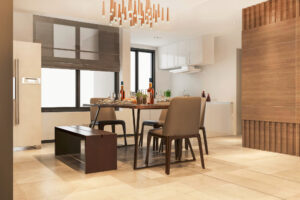
- Flooring: Ceramic tiles, vitrified tiles, terrazzo, or polished concrete.
- Windows & Doors: Standard wooden frames vs. aluminum or uPVC double-glazed units.
- Sanitary Ware & Plumbing: Imported branded fixtures vs. locally sourced alternatives.
- Electrical Fittings: Simple switches vs. smart home systems.
3. Professional Fees and Regulatory Costs
These are often-overlooked but essential line items in your budget.
- Architectural and Engineering Fees: Professionals are needed for design, structural calculations, and supervision. Fees are usually a percentage of the total project cost or a fixed rate.
- Permit and Approval Fees: The building plan approval in Kampala process with KCCA involves fees. These include planning permits, inspection fees, and ultimately, the Certificate of Occupancy fee.
- Project Management: If you hire a professional construction company in Kampala, their fee covers project management, which includes supervising labor, procuring materials, and ensuring quality control. This fee saves you time and mitigates costly errors.
4. Labor Costs and Construction Timeline
Labor costs are influenced by skill level, location, and the project’s duration.
- Skill Level: Specialized tradespeople (plumbers, electricians, tilers) command higher wages than general laborers. Using skilled, certified professionals ensures quality work that meets sustainable building practices in Uganda and safety codes.
- Location: Labor rates in central Kampala may be higher than in peri-urban areas due to demand and cost of living.
- Timeline: A rushed project often requires overtime pay and more workers, increasing labor costs. A well-planned, realistic timeline is more cost-efficient.
Creating a Realistic Budget: A Sample Cost Framework
While costs vary, here is a simplified framework for budgeting. It’s crucial to get detailed quotations from contractors.
- Site Works & Foundation (15-20%): Includes clearing, excavation, and the concrete foundation.
- Superstructure (Wall Raising & Roofing) (25-30%): Cost of blocks/bricks, mortar, roofing structure, and tiles/sheets.
- Finishes (Interior & Exterior) (25-35%): Plastering, flooring, painting, doors, windows, and external works like fencing and paving.
- Mechanical, Electrical & Plumbing (MEP) (15-20%): All wiring, piping, fixtures, and installation labor.
- Contingency (10-15%): A non-negotiable buffer for unforeseen issues, price inflation, or design changes.
How to Control Costs Without Sacrificing Quality
- Invest in a Good Design: A well-thought-out design by a qualified ugandan home design architect minimizes wasteful spaces and complex details, saving money from the start.
- Source Materials Strategically: Work with your contractor to source good-quality materials at competitive prices. Sometimes buying in bulk for the entire project locks in prices.
- Choose a Reputable Contractor: An experienced construction company in Kampala will provide accurate estimates, avoid wasteful practices, and manage subcontractors efficiently, preventing cost overruns.
- Plan for Phased Construction: If your budget is tight, consider a phased approach—building the core structure and completing interiors gradually as funds become available.
Building with Financial Confidence
Understanding the costs of residential building in Uganda transforms you from a passive client into an informed partner. By accounting for design, materials, professional services, labor, and a crucial contingency fund, you can approach your dream home project with clarity and confidence. Transparent communication with your construction company in Kampala about every budget line item is key. Remember, the goal is not merely to build at the lowest cost, but to achieve the best value—creating a durable, beautiful, and safe home that serves your family for generations, built on a foundation of sound financial planning.