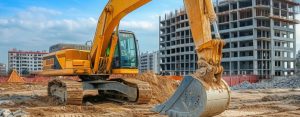
Embarking on a construction project—whether it’s your dream home, a commercial complex, or an office renovation—is one of the most significant investments you’ll make. The success of this venture hinges on one critical decision: selecting the right construction partner. In a bustling, growing city like Kampala, where the skyline is constantly evolving, the choice of a construction company in Kampala can mean the difference between a seamless, rewarding experience and a costly, stressful ordeal. With numerous firms offering varying levels of expertise, how do you navigate the options to find a partner that is reliable, skilled, and aligned with your vision?
This guide breaks down the five essential factors you must evaluate to ensure your project is built on a foundation of trust, quality, and professionalism. From verifying credentials to understanding communication styles, these insights will empower you to make an informed choice and turn your architectural plans into a stunning, durable reality.
5 Key Factors for Choosing Your Construction Partner in Kampala
1. Verify Credentials, Licenses, and Proven Experience
The first and most non-negotiable step is to validate the company’s legitimacy and track record. A reputable construction company in Kampala will operate with full transparency regarding its credentials.
- Valid Licensing: Ensure the company is registered with the Uganda National Bureau of Standards (UNBS) and holds a valid trading license from the Kampala Capital City Authority (KCCA). This is not just a formality—it’s a basic indicator of legal compliance and recognition.
- Portfolio & Project History: Examine their portfolio of completed projects. Look for diversity and scale similar to what you are planning. A company experienced in residential building in Uganda might differ in approach from one specializing in large-scale commercial projects. Don’t just look at pictures; ask for site addresses you can visit or client contacts you can speak to.
- Professional Affiliations: Membership in professional bodies like the Uganda Institution of Professional Engineers (UIPE) or the Association of Building Construction and Civil Engineering Contractors (ABCCEC) indicates a commitment to industry standards and ethical practices.
2. Scrutinize the Quality of Past Work and Client Testimonials
A company’s past performance is the most reliable predictor of your future experience. Go beyond the glossy brochures and marketing pitches.
- Site Visits: If possible, request to visit one of their ongoing or recently completed sites. This allows you to observe firsthand their site management, safety protocols, material quality, and workmanship. Notice the organization, cleanliness, and the conduct of the workers.
- In-Depth Client References: Speak directly to past clients. Prepare specific questions: Was the project completed on time and within budget? How did the company handle unforeseen challenges? Was communication consistent and clear? Would they hire them again? Honest feedback from previous clients is invaluable.
- Online Reviews & Reputation: Check their Google Business Profile, social media pages, and local business directories. Consistent positive feedback is a good sign, while patterns of complaints about delays, cost overruns, or poor communication are serious red flags.
3. Assess Financial Stability and Transparency in Quotations
A construction project is a major financial undertaking. The cheapest quote is rarely the most cost-effective in the long run. Financial clarity and stability are paramount.
- Detailed, Itemized Quotation: A professional construction company in Kampala will provide a comprehensive, line-item breakdown of costs. This should include materials, labor, equipment, permits, and a clear contingency percentage (typically 10-15%) for unforeseen issues. Vague or lump-sum quotes can lead to hidden costs and disputes later.
- Payment Schedule: A fair payment schedule is tied to clear milestones (e.g., completion of foundation, roofing, plastering). Be wary of companies demanding more than 20-30% upfront. The schedule should protect both parties and reflect progress.
- Proof of Financial Health: A stable company can manage cash flow without using your advance payments to fund other projects. This ensures they can pay suppliers and subcontractors on time, preventing material shortages or work stoppages on your site.
4. Evaluate Project Management and Communication Protocols
The construction process is complex. Strong project management and open communication are the backbones of a successful build.
- Dedicated Project Manager: Who will be your single point of contact? You need a designated, experienced project manager who will be on-site regularly, coordinate all teams, and keep you updated. Meet this person before signing any contract.
- Communication Framework: Establish preferred communication channels (e.g., weekly site meetings, WhatsApp updates, formal progress reports). How often will you receive updates? A good company will have a system in place to keep you informed without you having to chase them constantly.
- Formal Contract with Clear Terms: Never proceed on a handshake or a simple quote. A formal contract is essential. It must detail the scope of work, timeline, payment schedule, warranty terms, and procedures for handling changes or disputes. Consider having a legal professional review it.
5. Prioritize Safety Standards and After-Sales Service
Safety and long-term responsibility distinguish exceptional builders from average ones.
- On-Site Safety Culture: During your site visit, observe if workers are equipped with proper safety gear (helmets, boots, harnesses). Are there clear safety signs and first-aid kits? A company that prioritizes worker safety is more likely to be disciplined, insured, and responsible.
- Insurance Coverage: Confirm the company has valid public liability insurance and worker’s compensation insurance. This protects you from financial liability in case of accidents or damage to neighboring properties.
- Warranty & Post-Completion Support: What is their policy after handing over the keys? A confident and reputable construction company in Kampala will offer a structural warranty (often 1-2 years or more) and be responsive to fixing any snags that appear in the initial months after you move in.
Making Your Final Decision
After you have shortlisted 2-3 companies based on the above criteria, arrange final meetings. Present your detailed plans and ask each company to walk you through their proposed approach, timeline, and potential challenges. Trust your instincts. Choose the partner who demonstrates not just technical competence, but also integrity, transparency, and a genuine understanding of your goals.
Building Your Vision with Confidence
Choosing the right construction company in Kampala is an investment in peace of mind. By meticulously verifying credentials, scrutinizing past work, demanding financial transparency, evaluating management style, and ensuring a commitment to safety and service, you lay the strongest possible foundation for your project. Remember, you are not just hiring a contractor; you are selecting a partner for a journey that will shape your living space, your business environment, or your investment for decades to come. Take your time, do your due diligence, and proceed with the confidence that comes from making an informed, strategic choice. Your dream project in the heart of Uganda deserves nothing less.