Uganda’s architectural landscape is a fascinating blend of tradition, culture, and modern innovation. From the grass-thatched huts of ancient times to the towering skyscrapers of Kampala, architecture design in Uganda reflects the country’s evolving history, technological advancements, and environmental consciousness. With a growing focus on sustainable and eco-friendly designs, Uganda’s architects are redefining urban and rural spaces to meet contemporary needs while preserving cultural heritage.
This article explores the evolution, influences, challenges, and future of architecture design in Uganda. Whether you are an architect, real estate investor, or simply an admirer of beautiful spaces, this comprehensive guide will give you insight into Uganda’s dynamic architectural scene.
The Evolution of Architecture Design in Uganda
Pre-Colonial Architecture
Before the advent of colonial rule, Uganda’s architectural structures were primarily built using locally available materials like reeds, clay, and grass. Traditional homesteads, known as “manyatta” in some regions, were round huts with conical thatched roofs. These structures were not only functional but also adapted to the local climate, offering natural ventilation and protection from heavy rains.
The Buganda Kingdom, one of the most powerful traditional entities in Uganda, showcased remarkable architectural prowess with its Kibuga (royal capital). The Kasubi Tombs, a UNESCO World Heritage Site, stand as a testament to pre-colonial architectural ingenuity.
Colonial Influence on Ugandan Architecture
The arrival of British colonialists in the late 19th century brought a new architectural style, heavily influenced by European designs. Colonial administrators introduced brick and stone structures, with large verandas and high ceilings to suit Uganda’s warm climate as per history
Religious buildings such as Namirembe Cathedral and Rubaga Cathedral emerged, incorporating Gothic and Romanesque styles. Administrative buildings like the Parliament of Uganda and the State House were also constructed during this period.
Post-Independence and Modernization
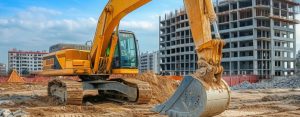
After Uganda gained independence in 1962, a wave of modernization swept through its architecture. The country witnessed the rise of concrete, glass, and steel structures, particularly in urban centers. Kampala became a hub for high-rise buildings, malls, and contemporary housing estates.
However, in recent years, there has been a growing movement to blend modern designs with traditional Ugandan aesthetics. Architects are increasingly incorporating indigenous materials and sustainable building techniques to create eco-friendly and culturally relevant structures.
Click Here to talk to an expert in Architecture Design in
Key Influences on Architecture Design in Uganda
Climate and Environment
Uganda’s tropical climate greatly influences architectural designs. Buildings are designed with large windows, high ceilings, and wide verandas to enhance natural ventilation and reduce heat buildup. The use of solar panels, rainwater harvesting systems, and green roofs is becoming increasingly popular.
Cultural Identity and Heritage
Uganda’s diverse ethnic groups have unique architectural styles. The Baganda’s royal enclosures, the Bunyoro’s circular huts, and the Karimojong’s manyattas are distinct representations of cultural heritage. Modern architects are drawing inspiration from these traditional designs to create structures that reflect Uganda’s identity.
Economic Factors
The cost of construction materials and availability of skilled labor impact architecture design in Uganda. While high-end developments use imported materials like marble and glass, many builders opt for locally sourced bricks, timber, and bamboo to reduce costs.
Government Policies and Urban Planning
Uganda’s government plays a crucial role in shaping the architectural landscape through urban planning regulations and building codes. The introduction of the Physical Planning Act aims to ensure sustainable and organized urban development.
Sustainable and Eco-Friendly Architecture in Uganda
With growing environmental concerns, Uganda’s architectural sector is shifting towards sustainable and green building practices. Some of the key trends include:
- Use of Eco-Friendly Materials – Bamboo, mud bricks, and recycled materials are being used to create sustainable structures.
- Energy-Efficient Designs – Solar-powered buildings and passive cooling techniques reduce reliance on artificial energy sources.
- Water Conservation Strategies – Rainwater harvesting and wastewater recycling systems are integrated into modern homes and offices.
- Vertical Gardens and Green Spaces – Urban developments now include green roofs and walls to enhance air quality and aesthetic appeal.
A notable example of sustainable architecture in Uganda is the Bulindo Eco Village, which features eco-friendly homes designed to minimize carbon footprints.
Challenges Facing Architecture Design in Uganda
Lack of Skilled Labor
Despite a growing construction industry, Uganda faces a shortage of highly trained architects, engineers, and craftsmen. Many skilled professionals seek opportunities abroad, leaving a gap in expertise.
High Cost of Materials
Imported construction materials can be expensive, making it difficult for many Ugandans to afford modern homes. Efforts are being made to promote local materials as viable alternatives.
Rapid Urbanization and Overpopulation
Kampala and other major cities are experiencing uncontrolled urban expansion, leading to congestion and inadequate infrastructure. There is an urgent need for better urban planning and investment in affordable housing.
Climate Change and Environmental Concerns
The impact of climate change poses a threat to Uganda’s architecture. Rising temperatures and unpredictable rainfall patterns require innovative solutions to make buildings more resilient to extreme weather.
Future Trends in Architecture Design in Uganda
Smart and Digital Architecture
The integration of smart technology in buildings is gaining momentum. Features like automated lighting, smart security systems, and energy-efficient appliances are transforming residential and commercial properties.
Affordable Housing Innovations
With Uganda’s population growing rapidly, the need for affordable housing is more pressing than ever. Prefabricated housing, modular designs, and community-driven housing projects are expected to bridge the housing gap.
Mixed-Use Developments
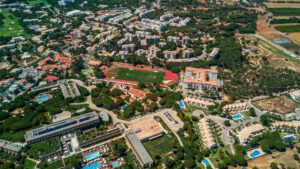
The future of architecture design in Uganda lies in multi-functional spaces that combine residential, commercial, and recreational areas within a single development. This approach optimizes land use and enhances convenience.
Click Here to talk to an expert in Architecture Design in
Revival of Traditional Architecture Design in Uganda
More architects are recognizing the value of traditional Ugandan designs. The incorporation of thatched roofs, natural ventilation systems, and communal courtyards is expected to make a comeback in modern urban planning.
FAQs
What materials are commonly used in architecture design in Uganda?
Traditional materials include mud bricks, wood, and thatch, while modern constructions use cement, steel, and glass. Sustainable architecture incorporates bamboo and recycled materials.
How is Uganda embracing green architecture?
Uganda is promoting eco-friendly designs, including solar energy, rainwater harvesting, and vertical gardens to reduce environmental impact.
What are the major architectural landmarks in Uganda?
Some iconic structures include Kasubi Tombs, Uganda National Mosque, Uganda Martyrs Shrine, and the Pearl of Africa Hotel.
How can one become an architect in Uganda?
To become an architect, one must complete a degree in architecture, undergo professional training, and register with the Architects Registration Board of Uganda.
What role does the government play in Uganda’s architecture?
The Ugandan government regulates construction through urban planning laws, building codes, and sustainability initiatives to ensure safe and organized development.
Is architecture design in Uganda influenced by global trends?
Yes, Uganda’s architecture is influenced by global trends, including minimalist designs, smart technology, and sustainable construction while maintaining local cultural elements.
Click Here to talk to an expert in Architecture Design in
Conclusion
Architecture design in Uganda is at an exciting crossroads, balancing modern innovation with cultural heritage. As urbanization continues, architects are finding creative ways to develop sustainable, functional, and aesthetically pleasing structures that cater to both urban and rural communities.
Uganda’s architectural future looks promising, with a shift towards eco-friendly designs, smart buildings, and culturally inspired structures. By embracing both tradition and innovation, Uganda is shaping an architectural identity that is uniquely its own.