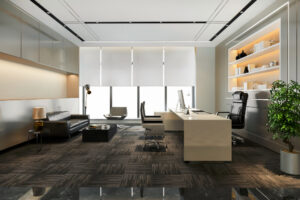
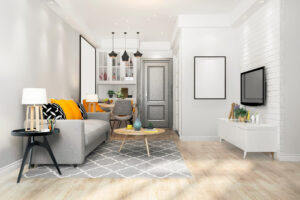
Designing the Perfect Office Space plays a critical role in shaping employee productivity, morale, and overall business success. For Ugandan businesses, creating a functional yet aesthetically pleasing workspace is essential in attracting top talent, impressing clients, and fostering innovation.
A well-designed office not only boosts efficiency but also reflects a company’s brand identity. It provides a comfortable and inspiring environment for employees while meeting the practical needs of daily operations. In today’s competitive business landscape, thoughtful office design has become a strategic investment rather than just an aesthetic consideration.
Define Your Office Design Goals
Before diving into the design process, it’s essential to define your objectives. Consider the following questions:
- What is the primary purpose of your office? (e.g., collaborative workspace, client-facing hub, administrative center)
- How many employees will the space accommodate?
- What is your budget for the design project?
By establishing clear goals, you can create an office that aligns with your operational needs and company culture.
Prioritize Space Planning and Layout
Efficient space planning is the cornerstone of a productive office. For Ugandan businesses, where rental costs can be high, optimizing available space is crucial.
Consider open-plan layouts for collaborative work environments or a combination of private offices and meeting rooms for businesses requiring confidentiality. Ensure that the layout allows for smooth movement, natural light distribution, and accessibility.
Incorporate designated areas for specific functions, such as:
- Workstations for individual tasks.
- Meeting rooms for collaboration.
- Breakout zones for relaxation and informal discussions.
Smart space planning ensures that your office functions effectively while maximizing every square meter.
Incorporate Ergonomic Furniture
Ergonomic furniture is essential for creating a comfortable and healthy work environment. Invest in adjustable chairs, desks, and monitor stands that support proper posture and reduce physical strain.
In Uganda, many businesses are adopting locally manufactured ergonomic furniture to combine affordability with quality. Additionally, flexible furniture options, such as foldable desks or movable partitions, can adapt to changing office needs.
Ergonomic designs improve employee well-being, reduce fatigue, and enhance productivity, making them a worthwhile investment.(Designing the Perfect Office Space)
Optimize Lighting for Productivity
Lighting significantly impacts productivity and mood. In Uganda, where natural light is abundant, large windows and glass partitions can brighten up the workspace while reducing energy costs.
Supplement natural light with energy-efficient LED fixtures to provide consistent illumination. Consider task lighting for individual workstations and ambient lighting for shared spaces to create a balanced and comfortable environment.
Avoid harsh lighting that can cause eye strain, and instead aim for a combination of natural and artificial lighting to enhance focus and creativity.
Use Color Psychology in Your Design
Colors influence emotions and behaviors, making them a powerful tool in office design. Choose colors that align with your company’s brand and desired atmosphere. For instance:
- Blue: Promotes focus and calmness, ideal for administrative tasks.
- Yellow: Stimulates creativity and energy, suitable for brainstorming areas.
- Green: Encourages balance and reduces stress, perfect for relaxation zones.
Accent walls, furniture, and decor can be used to incorporate these colors without overwhelming the space. A carefully selected color palette can boost employee motivation and create a cohesive aesthetic.
Incorporate Modern Technology
Modern offices require seamless integration of technology to support efficiency and connectivity. Equip your workspace with high-speed internet, smart boards, video conferencing systems, and charging stations.
For Ugandan businesses, technology that enhances collaboration—such as shared cloud platforms and interactive screens—is particularly valuable. Ensure that cables and wiring are well-managed to maintain a clean and organized look.
A tech-friendly office design supports productivity and ensures that employees can work efficiently in a fast-paced business environment.
Focus on Collaboration Zones
Collaboration is vital for fostering innovation and teamwork. Dedicate specific areas of your office to collaboration, such as:
- Open lounges with comfortable seating for informal discussions.
- Meeting rooms equipped with presentation tools.
- Breakout spaces with writable walls or whiteboards for brainstorming sessions.
These zones encourage interaction and idea-sharing, making them an integral part of modern office design.
Create a Relaxation and Wellness Area
Workplace wellness is becoming a priority for businesses worldwide, and Ugandan companies are no exception. Providing a relaxation area where employees can unwind boosts morale and reduces burnout.
Consider incorporating:
- Comfortable seating or bean bags.
- Indoor plants for a calming ambiance.
- A small kitchenette or coffee station for refreshments.
Wellness areas show employees that their well-being matters, fostering a positive and productive work culture.(Designing the Perfect Office Space)
Incorporate Branding into Your Office Design
Your office is an extension of your brand identity. Incorporate elements such as logos, brand colors, and company slogans into the design to create a cohesive and memorable space.
For example, custom wall graphics, branded furniture, or decor inspired by your business values can personalize the workspace. A branded office not only inspires employees but also leaves a lasting impression on clients and visitors.
Adopt Sustainable Design Practices
Sustainability is becoming a key consideration for businesses in Uganda. Incorporate eco-friendly practices into your office design, such as:
- Installing solar panels to reduce energy costs.
- Using recycled or locally sourced materials.
- Implementing energy-efficient lighting and appliances.
Sustainable design not only benefits the environment but also reduces long-term operational costs, making it a smart choice for forward-thinking businesses.
Use Modular and Flexible Designs
Flexibility is essential in today’s dynamic work environment. Modular designs, such as movable partitions and multi-functional furniture, allow businesses to adapt their office spaces to changing needs.
For instance, a large open area can be divided into smaller workstations during peak project periods or opened up for company events. Flexible designs future-proof your office and ensure it remains relevant as your business evolves.
The Role of Indoor Plants in Office Design
Indoor plants improve air quality, reduce stress, and add a touch of nature to the workspace. Choose low-maintenance plants like succulents, spider plants, or peace lilies to enhance aesthetics without requiring extensive upkeep.
In Uganda, incorporating locally available greenery is an affordable and effective way to create a refreshing and inviting office atmosphere.
Conclusion
Designing the perfect office space for Ugandan businesses involves balancing functionality, aesthetics, and employee well-being. By focusing on ergonomic furniture, efficient layouts, sustainable practices, and personalized branding, you can create a workspace that reflects your company’s values and supports productivity.
Whether you’re revamping an existing office or starting from scratch, these interior design ideas will help you transform your workspace into a dynamic, inspiring, and efficient environment for your team and clients.