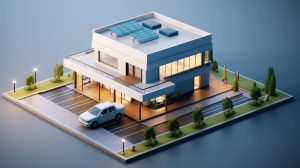
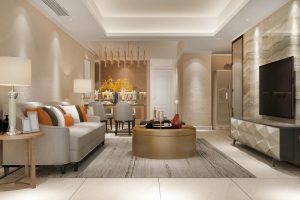
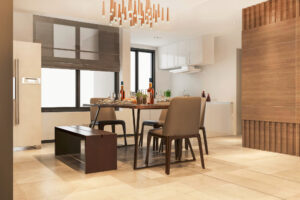
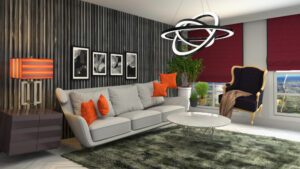
UganLuxury architectural designs have emerged as the epitome of sophistication, blending creativity, technology, and environmental consciousness into structures that go beyond mere functionality. In an era where architecture serves not just as shelter but as an expression of identity, luxury designs stand as symbols of status, sustainability, and superior craftsmanship. From bespoke residential homes to grand commercial spaces, the world of luxury architectural designs continues to set new benchmarks in the construction industry.
The Essence of Luxury Architectural Designs
Luxury architectural designs are not just about extravagant materials or opulent aesthetics—they represent a holistic approach to creating spaces that provide comfort, functionality, and visual appeal. These designs often merge advanced technology with sustainable practices, ensuring structures are not only visually stunning but also environmentally responsible.
Modern luxury architecture focuses on personalized designs tailored to clients’ tastes, innovative layouts, and integration of natural elements. Every detail, from the curvature of a staircase to the placement of a window, is meticulously planned to achieve architectural harmony.
Key Characteristics of Architectural Designs
Sustainability at the Core
Luxury architectural designs are increasingly incorporating eco-friendly principles. Solar panels, rainwater harvesting systems, and energy-efficient appliances are standard features in many high-end projects.
Smart Home Integration
Technology plays a critical role in modern luxury architecture. Smart homes equipped with automation systems for lighting, temperature control, and security offer unparalleled convenience and efficiency.
Attention to Detail
Every element of luxury architecture—from bespoke furniture to custom-built fixtures—reflects attention to detail. Unique materials, rare stones, and handcrafted finishes are often key features.
Indoor-Outdoor Harmony
Modern luxury designs emphasize seamless transitions between indoor and outdoor spaces. Features like infinity pools, outdoor kitchens, and rooftop gardens blur the lines between nature and architecture.
Popular Trends in Luxury Architectural Designs
Minimalist Luxury
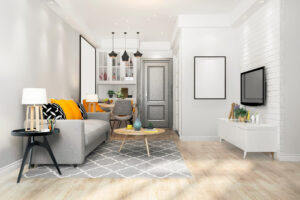
Gone are the days when luxury equated to clutter and excess. Modern luxury architectural designs favor minimalism—clean lines, neutral color palettes, and spacious interiors define this style.
Biophilic Design
Biophilic design emphasizes incorporating natural elements into built spaces. From green walls to expansive glass windows that frame natural landscapes, this trend is redefining luxury living.
Sculptural and Artistic Elements
Luxury architecture often blurs the line between art and structure. Buildings with sculptural facades, asymmetrical designs, and statement features have become highly desirable.
Sustainable and Green Architecture
Sustainability is no longer optional in luxury architectural designs. Energy-efficient HVAC systems, water recycling technologies, and eco-friendly construction materials are integrated seamlessly into designs.
The Role of Technology in Luxury Architectural Designs
Smart Automation Systems
Home automation systems are no longer exclusive to science fiction. Luxury homes now feature systems that allow residents to control lighting, heating, and security through mobile devices.
Virtual and Augmented Reality in Design
Technology has revolutionized architectural planning. With Virtual Reality (VR) and Augmented Reality (AR), clients can visualize their future homes in detail before construction even begins.
Energy-Efficient Technologies
Technological advancements are driving energy-efficient designs. From motion-sensor lighting systems to solar power integration, technology ensures luxury structures are sustainable.
Luxury Architectural Designs in Residential Spaces
Exclusive Villas and Estates
Private estates and luxury villas are masterpieces of architectural brilliance. These spaces often include home theaters, wine cellars, gyms, and expansive outdoor entertainment areas.
Penthouses with a View
Luxury penthouses often serve as the crown jewels of high-rise buildings. These residences feature panoramic views, custom interiors, and exclusive access to high-end amenities.
Smart Luxury Apartments
Smart apartments equipped with advanced technologies and modern interiors are redefining urban luxury living. Residents enjoy the convenience of modern design combined with smart automation systems.
Commercial Luxury Architectural Designs
Iconic Corporate Spaces
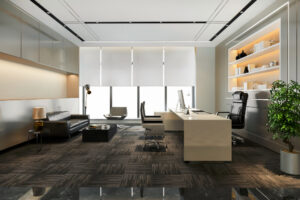
Modern office buildings are no longer confined to dull and monotonous designs. Luxury architectural designs in commercial spaces prioritize functionality, aesthetics, and employee well-being.
High-End Retail Spaces
Luxury retail outlets are designed to offer customers an exclusive experience. These spaces often feature artistic interiors, mood lighting, and opulent layouts.
Luxury Hospitality Structures
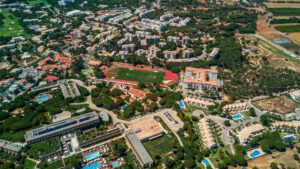
From boutique hotels to sprawling resorts, the hospitality sector is a prime beneficiary of luxury architectural designs. Attention to detail, cultural themes, and guest-centric spaces define these establishments.
The Impact of Cultural Influences on Architectural Designs
Culture often plays a significant role in architectural expression. In many regions, luxury architectural designs incorporate traditional elements to pay homage to local heritage. From ornate wood carvings to region-specific color palettes, culture adds depth to modern luxury designs.
Architects are now blending global trends with regional aesthetics to create timeless designs that honor both innovation and tradition.
Challenges Facing Luxury Architectural Designs
High Construction Costs
Luxury architectural designs demand premium materials and skilled labor, leading to higher costs. Balancing budget constraints with design expectations is often a challenge.
Sustainability vs. Luxury Aesthetics
While sustainability is a priority, aligning eco-friendly solutions with opulent designs can sometimes create conflicts.
Regulatory Hurdles
Building regulations and permits can delay projects, especially in areas where policies are not adapted to modern luxury construction standards.
Future Trends in Luxury Architectural Designs
The future of these designs looks promising, with emerging trends emphasizing innovation and sustainability.
AI-Driven Design Processes
Artificial Intelligence (AI) is set to revolutionize architectural planning and construction, optimizing layouts, materials, and efficiency.
Net-Zero Energy Homes
The focus on sustainability will drive the creation of Net-Zero Energy homes that produce as much energy as they consume.
Personalized Design Experiences
Advancements in technology will allow clients to customize every aspect of their spaces, from design to construction.
The Global Influence on Architectural Designs
The designs are heavily influenced by global trends. The fusion of international design philosophies with local aesthetics creates unique spaces that appeal to a diverse clientele.
Global design elements, such as Scandinavian minimalism, Italian marble interiors, and Japanese Zen gardens, have found their place in modern luxury designs worldwide.
Luxury architectural designs are more than just opulent spaces—they are a testament to human ingenuity, artistic expression, and a commitment to sustainability. Whether it’s a sprawling estate overlooking a serene landscape or a high-rise penthouse with cutting-edge technology, luxury architectural designs continue to evolve, setting new standards for elegance and functionality.
As we step into the future, these designs will not only redefine luxury but also play a pivotal role in creating smarter, greener, and more harmonious living spaces.